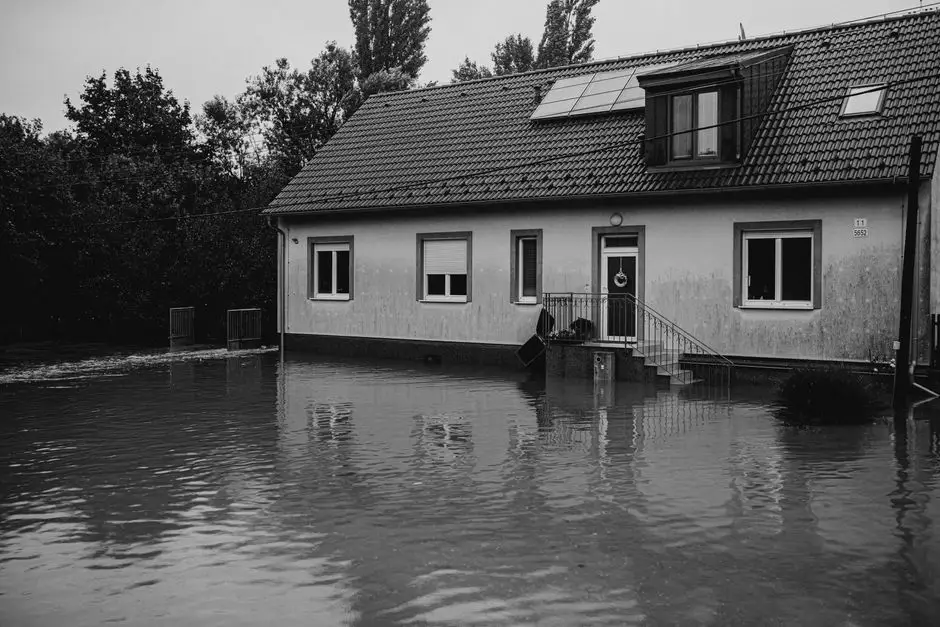
Most Delaware homeowners pay between $1,200 and $6,800 for water removal, with the average single-family job landing near $2,900. That range covers extraction, drying equipment, and basic cleanup for a typical 1,000-1,500 square foot affected area. What you actually pay depends on how many square feet got wet, what category of water soaked into them, and how fast someone got a truck to your door.
We have run extraction jobs from Claymont rowhouses to Millsboro ranchers, and the invoice almost always tracks those three variables. Below we break down 2026 pricing by square foot, by water category, and by what your insurance will and will not pick up.
What water removal costs in Delaware in 2026
Water removal cost in Delaware is the total you pay a restoration contractor to extract standing water, dry the structure, and return the space to a livable condition. Typical 2026 pricing in this area breaks into four bands, and where you land depends mostly on how much of the home is wet.
- Small, contained job (under 300 sq ft): $450-$1,200. A single bathroom, a utility closet, or a small laundry room.
- Mid-size job (300-800 sq ft): $1,200-$2,900. A finished basement section, a kitchen plus adjoining hallway, or one bedroom with a soaked carpet and pad.
- Whole-floor job (800-1,500 sq ft): $2,900-$6,800. A full finished basement, an entire first floor after a supply line failure.
- Multi-floor or contaminated job: $6,800-$15,000+. Sewage backups, storm surge intrusion, or water that traveled through two levels.
Those numbers include extraction, air movers, dehumidifiers, moisture mapping, and standard antimicrobial treatment. They do not include reconstruction - replacing drywall, flooring, or trim after everything dries. That is a separate line item, and in our experience it usually adds 40-70% to the total project cost.
For a full breakdown of what each service involves, see our Water Removal in Delaware page.
How much does water removal cost in Delaware by square foot?
Water removal cost per square foot in Delaware runs $2.50 to $6.00 for extraction and drying, and $7.00 to $12.00 per square foot when you add demolition, disposal, and reconstruction. That per-foot number is the cleanest way to compare bids, because it strips out the sales talk and lets you see what each contractor is actually charging for the same square footage.
Here is how those per-foot rates play out on real job sizes:
- 200 sq ft bathroom: $500-$1,200
- 600 sq ft finished basement: $1,500-$3,600
- 1,200 sq ft full basement: $3,000-$7,200
- 1,800 sq ft main floor: $4,500-$10,800
Two houses on the same street can land at opposite ends of that range. A concrete-floor basement with a floor drain dries fast and cheap. A carpeted basement with a pad, drywall to 24 inches, and a finished ceiling traps water and takes three times the equipment and three times the days.
What factors affect water removal cost in Delaware
What factors affect water removal cost in Delaware come down to six things we check on every walkthrough: square footage, water category, how long the water sat, the materials it touched, access to the affected area, and whether the job is happening during business hours or at 2 a.m. on a Sunday.
Here is what each one does to the invoice:
- Square footage. Every additional 100 square feet adds roughly $250-$500 to extraction and drying.
- Water category. Category 1 (clean supply line) is the cheapest. Category 2 (gray water from a washing machine or dishwasher) adds 15-25%. Category 3 (sewage or floodwater) can double the job because of containment and disposal requirements.
- Time sitting. Water that has been standing more than 48 hours grows mold, and mold remediation adds $1,500-$6,000 to the project.
- Materials. Carpet and pad usually get pulled and tossed. Hardwood may be salvageable with mat drying. Concrete just needs air. Each material has its own drying timeline and its own price.
- Access. A basement with a walkout door is a one-day extraction. A basement reachable only by a narrow interior stair adds labor hours and equipment staging time.
- Timing. After-hours and holiday calls carry a 25-50% premium on labor.
In older Wilmington and Dover neighborhoods, we also factor in the age of the plumbing. Galvanized supply lines and cast iron drains fail more often, and a failed line usually means a bigger release before anyone notices. We handle a lot of Burst Pipe Water Removal in Delaware calls in those neighborhoods for exactly that reason.
Water damage cleanup cost in Delaware by water category
Water damage cleanup cost in Delaware is driven more by the category of water than by the size of the room. The IICRC - the standards body the restoration industry follows - classifies water into three categories, and each one carries different handling, disposal, and labor requirements.
Category 1: clean water
Supply line breaks, refrigerator lines, and rainwater that has not touched a contaminated surface. Extraction and drying run $2.50-$4.00 per square foot. Most Category 1 jobs are done in two to four days of equipment time.
Category 2: gray water
Washing machine discharge, dishwasher overflow, and toilet bowl water with no solids. Expect $3.50-$5.00 per square foot. We treat the area with antimicrobial and often remove carpet and pad because they cannot be reliably cleaned.
Category 3: black water
Sewage backups, sump pump failures that pulled in groundwater, and any outdoor flooding. This is the expensive one - $5.00-$12.00 per square foot. Everything porous gets removed, the space gets contained, and disposal follows state requirements. If you are dealing with this, our Sewage Water Removal in Delaware team handles the containment and disposal so you are not hauling contaminated material to the curb yourself.
Does homeowners insurance cover water removal costs in Delaware?
Homeowners insurance covers water removal costs in Delaware when the water came from a sudden, accidental event - a burst pipe, a failed water heater, an appliance supply line. Standard HO-3 policies in Delaware typically cover extraction, drying, and the resulting damage up to your dwelling coverage limit.
What they do not cover is the part that surprises people:
- Gradual leaks. A slow drip under a sink that finally rotted the subfloor is considered maintenance neglect. Denied.
- Groundwater flooding. Water that entered from outside - storm surge, a rising creek, a saturated yard - is excluded from standard policies. You need a separate flood policy through the NFIP or a private carrier.
- Sewer backup. Covered only if you bought the sewer backup endorsement. It is usually $50-$150 a year and worth every dollar in older Delaware housing stock.
- Sump pump failure. Same story - needs a specific endorsement.
Our advice: pull your declarations page before you call anyone. If the loss is covered, we document moisture readings, take photos before and after, and provide an itemized invoice your adjuster can process without back-and-forth. In most Delaware claims we see, insurance covers the full water removal invoice minus your deductible.
Emergency water removal cost in Delaware: the after-hours premium
Emergency water removal cost in Delaware runs 25-50% higher than a scheduled job because of after-hours labor, expedited dispatch, and the extra equipment a crew brings when they cannot pre-plan the load. A $2,400 daytime job becomes $3,000-$3,600 at 11 p.m.
That premium is almost always worth paying. Water damage compounds hourly - drywall wicks moisture upward, carpet pad holds water against the subfloor, and mold can start colonizing within 24 to 48 hours. A $600 premium tonight is cheaper than $4,000 in mold remediation three weeks from now.
November through March is our busiest stretch. Frozen and burst pipes drive most of the winter calls, especially in older homes with uninsulated crawl spaces and exterior walls. If your pipes froze last winter, our Frozen Pipe Water Removal in Delaware crew can thaw, extract, and dry before the next cold snap.
What to watch out for when hiring a water removal company
The three most common ways Delaware homeowners overpay for water removal are hiring a contractor who is not actually certified, accepting a verbal estimate that grows once equipment is on-site, and letting a company bill your insurance directly without showing you the invoice. All three are avoidable with five minutes of homework.
Watch for these red flags:
- No IICRC certification. Ask for the certification number. A trained technician knows how to place drying equipment so the job actually finishes in three days instead of ten.
- No moisture meter on the walkthrough. If nobody puts a meter on your drywall and floor, they are guessing at the price.
- Cash-only or deposit-first demands. Reputable companies invoice after the work or bill insurance directly.
- No written scope. You should see square footage, equipment count, and projected drying days before anyone starts.
- Pressure to sign a repair contract on the spot. Extraction and reconstruction are separate decisions. Take the night to think about the rebuild.
One more: confirm they will handle the disposal. Contaminated carpet, pad, and drywall cannot go out with regular trash in most Delaware municipalities. We haul it, and that is baked into the price we quote.
When to call a professional
Call a professional the moment water has spread beyond a single small area, has been sitting more than a few hours, or has any chance of being contaminated. A shop vac and a box fan handle a spilled bucket. They do not handle a burst supply line that ran for six hours while you were at work.
Specific situations where you should pick up the phone today:
- Water has reached carpet, pad, or drywall.
- The source is a sewage line, a toilet with solids, or outdoor flooding.
- You can smell mustiness or see discoloration on ceilings or baseboards.
- Your sump pump failed during a storm and the basement took on water.
- The affected area is larger than roughly 10 feet by 10 feet.
DE Water Remover Pros handles extraction, drying, and documentation for homeowners across the state. We give you a written scope and a flat price before we start, and we work directly with your insurance adjuster when the loss is covered. If you are in one of the older riverfront neighborhoods, our Water Removal in Wilmington team knows the housing stock and the drainage quirks that come with it.
Frequently Asked Questions
How much does water removal cost in Delaware?
Most Delaware homeowners pay $1,200-$6,800, with an average around $2,900 for a typical single-family job. Small contained jobs run $450-$1,200. Whole-floor extractions run $2,900-$6,800. Sewage and multi-floor jobs can exceed $15,000.
What is the average water extraction cost in Delaware?
Water extraction alone - pulling standing water out before drying begins - averages $800-$2,500 for a residential job in Delaware. Drying equipment, moisture monitoring, and antimicrobial treatment are billed separately and usually add $600-$2,000 depending on square footage and drying days.
Does homeowners insurance cover water removal costs in Delaware?
Yes, for sudden accidental events like burst pipes or failed water heaters. Standard policies exclude gradual leaks, groundwater flooding, and sewer backups unless you added specific endorsements. Check your declarations page before calling a contractor so you know what is covered.
How is water removal priced in Delaware?
Three ways: by square foot ($2.50-$6.00 for extraction and drying), by water category (Category 3 costs roughly double Category 1), and by equipment days (air movers and dehumidifiers are billed per unit per day). Most contractors combine all three into one itemized invoice.
What factors affect water removal cost in Delaware?
Square footage, water category, how long the water sat, the materials affected, access to the space, and whether the call is after-hours. Mold growth after 48 hours adds $1,500-$6,000. After-hours calls carry a 25-50% labor premium.
Get help with Water Removal in Delaware
Whether you are looking at a wet basement in Bear or a burst pipe in Hockessin, we will give you a written scope and a flat price before we start. Call DE Water Remover Pros at (833) 640-1438 and we will be on our way.