DE Water Remover Pros
Get Estimate

Storm Water Removal in Delaware Done Right the First Time

24/7 emergency crews for flooded basements and storm water intrusion


Storm Water Removal in Delaware means getting standing water out of your basement, crawl space, or first floor before it ruins drywall, flooring, and framing. Whether a nor'easter dumps three inches in an hour or a summer thunderstorm backs up your sump pump, our IICRC-trained crews run truck-mounted extractors and Dri-Eaz drying equipment around the clock. We handle storm water cleanup Delaware homeowners and property managers call for at 2 a.m.

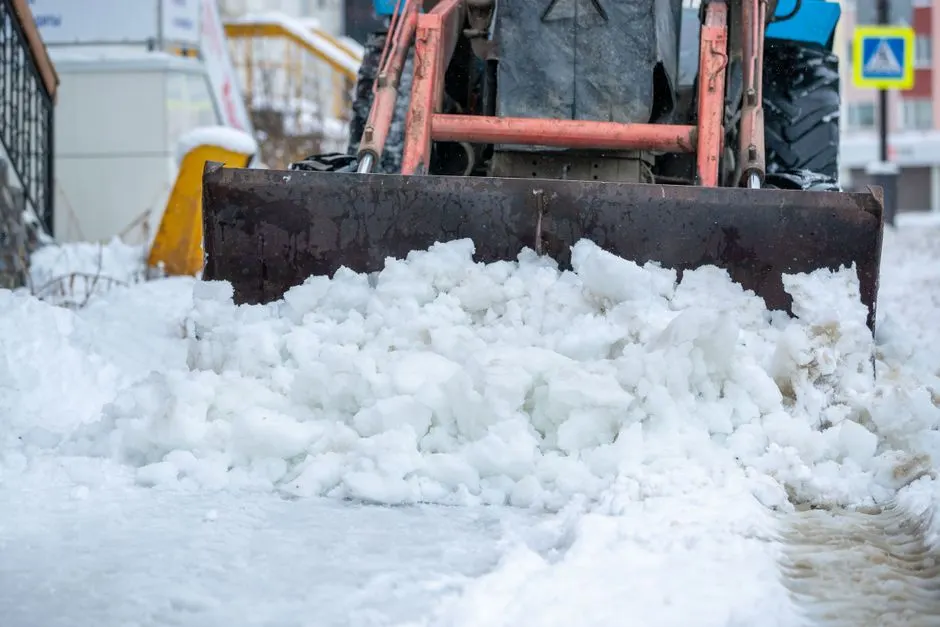
Snow plow clearing icy street after heavy winter snowstorm. Extreme cold weather conditions.
Licensed Licensed & Bonded
Fully Insured Insured & Bonded
24/7 Emergency Same-Day Response
Warranty Backed 14+ Years Trusted

What's Included in Our Storm Water Removal Service

Every storm water removal job includes the full extraction-and-drying scope, not just pumping water out the door. Here's what you get when you hire us.

Emergency Water Extraction

Truck-mounted and portable extractors pull standing water from basements, crawl spaces, and living areas. Extraction wands get into carpet and subfloor seams. Most residential jobs are extracted within 2 to 4 hours of arrival.

Structural Drying Setup

We place air movers and commercial dehumidifiers sized to the affected square footage, then monitor with hygrometers daily until readings hit dry standard. Typical dry-down is 3 to 5 days.

Moisture Mapping and Documentation

Thermal imaging and moisture meter readings are logged before, during, and after drying. You get a written report with photos - exactly what your insurance adjuster needs to process the claim.

Antimicrobial Treatment

After extraction we treat affected surfaces with antimicrobial to stop mold growth after water damage. This is standard on every job, not an upsell.

Sump Pump and Drain Check

We test your sump pump, check valve, and discharge hose before we leave. If the pump failed and caused the flooding, we can replace it the same day so you're protected before the next storm.

What Storm Water Removal in Delaware Actually Involves


Storm Water Removal in Delaware is the process of extracting standing storm water from a structure, then drying the framing, subfloor, and contents to ANSI/IICRC S500 standards so mold never gets a foothold. It starts with a moisture meter and thermal imaging camera survey to map how far the water traveled, then a truck-mounted water extractor pulls the bulk of it out. From there, air movers, dehumidifiers, and a hygrometer run for days until every reading is back to dry standard.

Delaware gets hit from three directions: coastal nor'easters off the Atlantic, inland flash flooding from the Christina and Delaware river basins, and summer thunderstorms that overwhelm sump pumps in older Wilmington rowhomes. We see basement flooding, crawl space standing water, and hydrostatic pressure seepage pushing through block foundations after every big rain. If you need emergency storm water extraction Delaware wide, we run 24/7 and answer the phone ourselves.

How Our Storm Water Removal Process Works

Every job follows the same five steps, whether it's a Wilmington rowhome or a Millsboro ranch. You'll know what's happening and when.

01

Schedule

Call or book online — a real human picks up and confirms a 2-hour arrival window.

02

Diagnose

Licensed tech inspects on-site, then walks you through the cause and your options.

03

Fix

The job is completed to code and done right the first time — no shortcuts, no surprises.

04

Guarantee

Every job backed by a written workmanship warranty — and we stand behind it.

Equipment and Standards We Use

Tools & Equipment

Truck-Mounted Water Extractor

Pulls hundreds of gallons per hour from flooded basements and large commercial spaces. This is the workhorse on every storm job.

Portable Water Extraction Unit

Used for tight spaces - crawl spaces, closets, and upper floors where a truck mount can't reach. Pairs with extraction wands for carpet and subfloor.

Dri-Eaz and Phoenix Air Movers

High-velocity air movers that evaporate moisture from framing, drywall, and subfloor so dehumidifiers can pull it out of the air.

Commercial Dehumidifiers

Pull hundreds of pints of water per day out of the air, dropping interior humidity below 50 percent so mold can't colonize.

Thermal Imaging Camera and Moisture Meter

Find hidden water behind walls and under floors that the eye can't see. We map the full extent of the loss before we start drying.

Submersible Sump Pump

For deep standing water where extraction alone won't keep up. Zoeller and Wayne pumps move high volume fast.

Hygrometer

Measures relative humidity and moisture content in materials. We log readings daily to confirm the structure is drying on schedule.

Methods & Standards

ANSI/IICRC S500 Standard

The industry standard for water damage restoration. It defines how we categorize water, classify the loss, and set drying goals. Following it means your job is documented the way insurance adjusters expect.

IICRC WRT and ASD Protocols

Our technicians are certified in Water Damage Restoration and Applied Structural Drying. That training drives decisions on equipment placement, drying times, and when a material can be saved versus replaced.

Moisture Mapping and Daily Monitoring

We take readings before, during, and after drying, and adjust equipment based on the numbers. No guessing, no leaving dryers running longer than needed.

Antimicrobial Application

After extraction we apply antimicrobial to affected surfaces to stop mold growth after water damage. Standard on every job, applied before drying equipment goes in.

When to Call for Storm Water Removal

01

A nor'easter dumps four inches of rain overnight and your basement is under water by morning.

What we do: We roll a crew with truck-mounted extraction and drying equipment already loaded. Water is out in 2 to 4 hours, and air movers and dehumidifiers are running the same day.

→ Your basement is dry to standard in 3 to 5 days, and you have documentation for the insurance claim.

02

Your sump pump quits during a thunderstorm and water starts rising in the crawl space.

What we do: We extract the standing water, dry the space with commercial dehumidifiers, and replace the failed pump and check valve the same visit.

→ Crawl space is dry, joists are saved, and the new pump is tested and ready for the next storm.

03

Wind-driven rain forces water through a roof leak and into your ceiling and walls.

What we do: We extract interior water, dry the ceiling and wall cavities with air movers, and document the roof breach for your roofer and adjuster.

→ No sagging ceiling, no mold, and a clear record of the damage for your claim.

04

A frozen pipe bursts in January while you're at work and floods the first floor.

What we do: We shut off the water, extract from flooring and subfloor, dry the structure, and repair the failed pipe section with PEX or PVC to code.

→ Water is out the same day, the pipe is fixed, and the line is insulated so it doesn't freeze again.

How Storm Water Removal Works in Delaware

Delaware's climate drives the storm water calls we get. Winter nor'easters push coastal flooding into Sussex County towns like Lewes and Bethany Beach, while inland flash flooding hits the Christina and Delaware river basins hard. Summer thunderstorms overwhelm sump pumps in older Wilmington rowhomes and New Castle County split-levels. Building stock matters too - pre-1978 homes often have block foundations prone to hydrostatic pressure seepage, and we carry EPA Lead-Safe Certification to work in them safely. We follow Delaware plumbing code on every repair, and we're permitted through the Delaware Division of Public Health for water damage work. If you need affordable storm water extraction in Delaware, we price the job before we start and bill insurance directly when the loss is covered.

Neighborhoods We Serve

  • Trolley Square, Wilmington

    Older rowhomes with block foundations and finished basements. Sump pump failures here flood fast because the water table rises quickly after heavy rain.

  • Dover Base Housing

    Dense residential housing with shared drainage. Storm water backs up through floor drains during heavy rain, and we handle multiple units in a single event.

  • Claymont

    Low-lying areas near the Delaware River flood during nor'easters. Crawl space standing water is common, and we install vapor barriers to prevent repeat moisture.

  • Ardentown

    Wooded lots with mature trees mean roof leaks and gutter overflow during storms. We extract interior water and document roof breaches for the homeowner's roofer.

Local Conditions We Plan For

  • Coastal nor'easters pushing tidal flooding inland

    Sussex County communities see storm surge and wind-driven rain that forces water through roofs, windows, and foundations. We stage crews near the coast during major storm events.

  • Inland flash flooding from river basins

    The Christina and Delaware river basins can rise fast after heavy rain, flooding basements in New Castle County. We prioritize active water during these events.

  • Winter frozen pipe bursts

    Unheated crawl spaces and exterior walls crack pipes in January and February. We thaw, extract, dry, and insulate the line so it doesn't happen again.

  • High water table in low-lying areas

    Hydrostatic pressure pushes water through block foundations even without a storm. We install sump systems and vapor barriers to manage it long-term.

Wilmington Basement Flooded by Nor'easter

Before

Four inches of standing water in a finished basement after a nor'easter. Carpet, drywall, and a sectional sofa were soaked. The homeowner called at 11 p.m. and the water had been sitting for about six hours.

After

Crew arrived by 1 a.m., extracted all standing water in under three hours, and set 12 air movers and 3 dehumidifiers. Dry-down completed in four days. Carpet was saved, drywall was cut and replaced, and the insurance claim was approved without dispute.

Maintenance: We replaced the failed check valve and tested the sump pump. The homeowner now runs a quarterly pump test and keeps a battery backup on standby.

Before

A failed sump pump left two inches of water in a crawl space, soaking floor joists and insulation. The property manager discovered it two days after the storm, and mold was already starting on the joists.

After

We extracted the standing water, removed the wet insulation, treated the joists with antimicrobial, and ran dehumidifiers for five days. Final moisture readings were back to dry standard. We installed a new Zoeller pump and check valve.

Maintenance: Property manager now schedules annual pump inspections before storm season and keeps a spare pump on site for each building.

Before

Heavy rain overwhelmed the municipal system and sewage backed up through a basement floor drain. About an inch of category 3 water covered the finished floor, and the smell was immediate.

After

Techs in full PPE extracted the contaminated water, disposed of it properly, and disinfected every affected surface. Affected drywall was removed to 12 inches. Drying took five days with daily monitoring. Odor was eliminated completely.

Maintenance: We recommended a backwater valve on the floor drain to prevent future sewage backups. The homeowner had it installed within the month.

Storm Water Problems We Solve Across Delaware

Storm water finds the weak point in every building. Here are the failures we see most often and how we fix them.

Problem

Basement flooding after heavy rain

Standing water ruins drywall, flooring, and stored belongings within hours, and mold can start in 24 to 48 hours.

Our Fix

We extract the water, dry the space to ANSI/IICRC S500 standard, and inspect the foundation for hydrostatic pressure seepage. If the sump pump or check valve failed, we replace it before we leave.

Problem

Crawl space standing water rotting floor joists

Trapped moisture warps joists, feeds mold, and drives up heating costs because the crawl space never dries out.

Our Fix

We pump out the standing water, run dehumidifiers until the space is dry, and can install a vapor barrier or crawl space encapsulation liner to keep ground moisture from coming back.

Problem

Sump pump failure during a storm

A dead pump means water rises fast, and most homeowners don't know it failed until the basement is already flooded.

Our Fix

We extract the water, then replace the failed pump with a Zoeller or Wayne unit and install a new check valve and discharge hose. We test the whole system before we leave.

Problem

Sewage backup through floor drains

Category 3 water carries bacteria and pathogens. It needs full disinfection, not just a wet/dry vacuum and a fan.

Our Fix

Our techs suit up in PPE, extract the contaminated water, dispose of it properly, and disinfect every affected surface. We follow IICRC Odor Control Technician protocols to eliminate the smell.

Why Delaware Property Owners Call Us First

Why Delaware Property Owners Call Us First

Storm water doesn't wait, and neither do we. Here's what you get when you call our team instead of a general handyman with a wet/dry vacuum.

  • Water Out in Hours

    Most residential storm water jobs are extracted within 2 to 4 hours of arrival. Our truck-mounted water extractor moves hundreds of gallons an hour, so your finished basement isn't sitting under two inches of water while you wait for a callback.

  • Mold Stopped at 48 Hours

    Mold growth after water damage can start in as little as 24 to 48 hours. We set air movers and dehumidifiers the same day we extract, pulling interior humidity below 50 percent so spores never get the moisture they need to colonize.

  • Insurance Paperwork Handled

    We document everything - moisture readings, thermal images, photo logs, and a written scope - in the format adjusters want. That means your storm damage water removal Delaware claim moves faster and you're not stuck arguing over what was wet.

  • Code-Correct Repairs

    When a sump pump discharge line, PVC pipe, or check valve fails, we replace it to Delaware plumbing code, not to whatever was there before. PEX tubing, pipe insulation, and waterproof sealant go in right the first time.

Licensed, Certified, and Insured

Licensed & Certified

  • IICRC Water Damage Restoration Technician (WRT) — issued by Institute of Inspection, Cleaning and Restoration Certification
  • IICRC Applied Structural Drying (ASD) — issued by Institute of Inspection, Cleaning and Restoration Certification
  • IICRC Odor Control Technician (OCT) — issued by Institute of Inspection, Cleaning and Restoration Certification
  • EPA Lead-Safe Certification — issued by U.S. Environmental Protection Agency
  • OSHA 10-Hour Construction Safety — issued by Occupational Safety and Health Administration

Verified Reviews

Google ★★★★★4.9

Called at midnight when our basement flooded during a storm. Crew was at the house in under two hours, water was out by 3 a.m., and dryers ran for four days. They handled the insurance paperwork and we didn't pay a dime out of pocket beyond our deductible.

Yelp ★★★★★4.8

Sewage backup in our finished basement. They treated it seriously, wore full PPE, and disinfected everything. Took five days to dry but they checked readings daily and sent photos each time. Professional operation from start to finish.

BBB ★★★★★4.9

Sump pump failed during a thunderstorm and water was rising fast. They extracted the water, replaced the pump and check valve the same visit, and tested everything before leaving. Fair price, no upsell, and they explained what they were doing.

Cities We Serve for Storm Water Removal

We deliver storm water extraction across all three Delaware counties, from the northern suburbs to the southern beaches. Crews are staged regionally so we can reach most addresses within two hours, even during major storm events. Whether you're in a Wilmington rowhome or a ranch house in Felton, the same IICRC-certified team and the same equipment show up at your door.

What Delaware Customers Say

Real experiences from customers who chose our Storm Water Removal services.

“Our basement took on about four inches after a nor'easter came through. Called at 11 p.m., crew was there by 1 a.m. They had the water out in under three hours and set up dryers that ran for four days. Moisture readings were back to normal and our insurance covered it without a fight.”

M

Marcus T.

Homeowner, Wilmington

“We manage several units and storm water is a constant headache. DE Water Remover Pros has handled three sump pump failures for us this year. They document everything, bill insurance directly, and their techs actually explain what they're doing. Response time has been under two hours every time.”

D

Danielle R.

Property Manager, Dover Base Housing

“Sewage backed up into our finished basement after a heavy rain. They treated it as contaminated water, wore full PPE, and disinfected everything. Took five days to dry completely but they checked readings daily and sent photos. Would call them again without hesitation.”

K

Kevin S.

Homeowner, Claymont

Frequently Asked Questions About Storm Water Removal

Real answers to the questions we hear most often from local homeowners and property managers.

How much does storm water removal cost in Delaware?
Most residential storm water removal jobs in Delaware run $500 to $2,500 for extraction and drying, with larger commercial losses or sewage-contaminated water going higher. The biggest cost drivers are square footage affected, water category, and how many days of drying are needed. We give you a written scope and price before we start, and we bill insurance directly when the loss is covered.
Who does emergency storm water extraction in Delaware?
DE Water Remover Pros runs 24/7 emergency storm water extraction across Delaware, including nights, weekends, and holidays. Call (833) 640-1438 and a live dispatcher answers. We keep crews staged during major storm events so response times stay under two hours in most of New Castle, Kent, and Sussex counties.
How fast can storm water be removed in Delaware?
Standing water is usually gone within 2 to 4 hours of our arrival, depending on volume and access. Full structural drying takes longer - typically 3 to 5 days with air movers and dehumidifiers running. The sooner you call after the water intrudes, the shorter the dry-down and the lower your total cost.
Does insurance cover storm water cleanup in Delaware?
Most homeowners policies cover sudden storm water intrusion - sump pump failure, roof leaks, and wind-driven rain - but flood insurance is separate and required for rising groundwater. We document every loss with moisture readings and photos, then work directly with your adjuster. Call us and we'll tell you straight whether your situation looks covered.

Need Storm Water Removal in Delaware Right Now?

Every hour water sits, the damage gets worse and the repair bill gets bigger. Call (833) 640-1438 and a live dispatcher will send an IICRC-certified crew to your door - 24/7, statewide, with extraction and drying equipment already on the truck.

Call (833) 640-1438 Call Now

Get Water Removal Help Now

Call (833) 640-1438 any time, day or night. A live dispatcher answers, takes your address, and sends the nearest crew. Most of Delaware is inside a 60-minute response window. If you prefer email, send photos and your address to info@dcwaterremoverpros.com and we will call you back within 15 minutes.

Or call us right now at (833) 640-1438 — we answer.

DE Water Remover Pros


  • Address

    Serving Statewide, Delaware

  • Hours

    Mon–Fri: 7AM – 7PM
    Sat: 8AM – 4PM
    Sun: Emergency Only
    24/7 Emergency Available

Call (833) 640-1438 Get Quote
Call Quote