DE Water Remover Pros
Get Estimate

Sewage Water Removal in Delaware, Done Right the First Time

24/7 crews, truck-mounted extraction, and full sanitization statewide


Sewage Water Removal in Delaware means pulling contaminated water out fast, then disinfecting everything it touched. We handle both. Our IICRC-trained crews run truck-mounted extractors and air movers in homes from Wilmington to Bethany Beach, day or night. If a backup has soaked your basement or crawl space, we stop the source, extract, sanitize, and dry the structure so mold never gets a foothold.

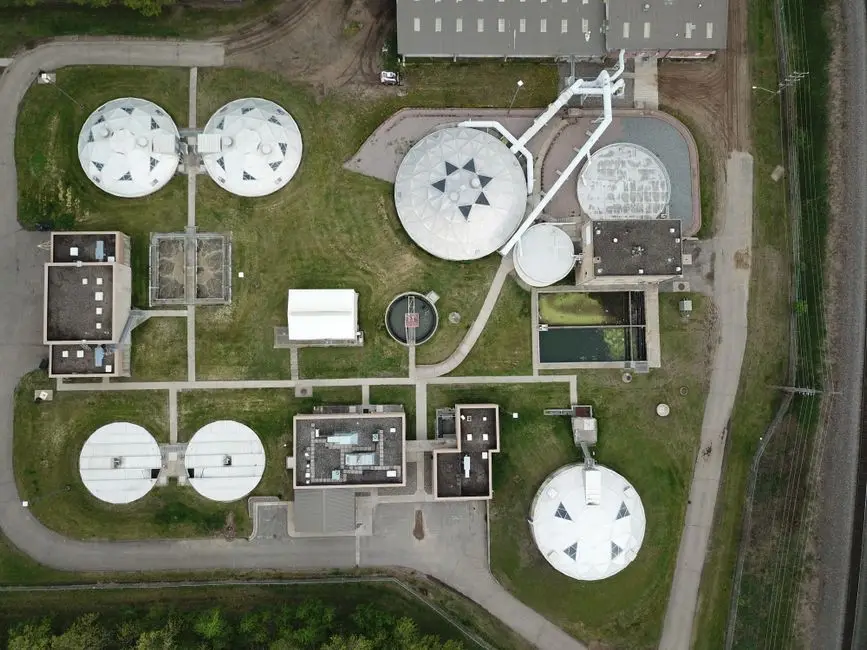
Aerial view of a structured water treatment plant showcasing various components.
Licensed Licensed & Bonded
Fully Insured Insured & Bonded
24/7 Emergency Same-Day Response
Warranty Backed 14+ Years Trusted

What Our Sewage Water Removal Service Includes

Every job is different, but the core scope is the same: get the contaminated water out, sanitize what is left, and dry the structure. Here is what is included on a standard residential call.

Emergency Extraction

Truck-mounted extraction for the bulk of the water, plus portable units for crawl spaces and tight areas. We pull standing water down to the point where air movers can finish the job. Most residential extractions take two to four hours.


Contaminated Material Removal

Carpet, pad, saturated drywall, and any porous material that touched black water comes out and gets bagged for disposal. We do not try to save materials that cannot be safely cleaned. This is what separates a real sewage job from a pump-out.

Disinfection and Sanitization

Every affected surface gets treated with hospital-grade disinfectant. We pay attention to corners, baseboards, and wall cavities where contamination hides. This step is what makes the space safe for your family again.

Structural Drying

Air movers and dehumidifiers run for two to four days, with daily moisture checks using a hygrometer and moisture meter. We do not pull equipment until readings match a dry standard. This is how we prevent mold growth after water damage.

Odor Treatment

Sewage odor does not come out with regular cleaning. We use thermal fogging and hydroxyl generators to neutralize the smell at the source. If the odor persists after drying, we come back and treat again at no extra charge.

Insurance Documentation

Photos, moisture logs, and a written scope of work, formatted the way adjusters expect to see it. We bill your carrier directly when possible. This documentation is often the difference between a claim that gets approved and one that gets denied.

What Sewage Water Removal in Delaware Actually Involves


Sewage Water Removal in Delaware is the process of extracting Category 3 black water, removing contaminated materials, and sanitizing the affected structure so the space is safe to live in again. It is not the same as mopping up a clean-water spill. Raw sewage carries bacteria, viruses, and parasites, so every surface it touches has to be treated. We start with containment, then pull the water with a truck-mounted extractor and a portable water extraction unit for tight spaces.

Most calls we run in Delaware come from a sewage backup in a basement, a failed sump pump during a spring storm, or a collapsed clay lateral line under an older home. Coastal properties near Bethany Beach and Fenwick Island deal with high water tables and storm surge, while inland towns like Greenwood and Harrington see more septic and lateral-line failures. Whatever the cause, our Delaware sewage water extraction crews treat it as contaminated from the first minute on site.

Our Sewage Water Removal Process

Every job follows the same five steps, whether it is a 200-square-foot bathroom backup in Glasgow or a flooded crawl space in Georgetown.

01

Schedule

Call or book online — a real human picks up and confirms a 2-hour arrival window.

02

Diagnose

Licensed tech inspects on-site, then walks you through the cause and your options.

03

Fix

The job is completed to code and done right the first time — no shortcuts, no surprises.

04

Guarantee

Every job backed by a written workmanship warranty — and we stand behind it.

Equipment and Methods We Use

Tools & Equipment

Truck-Mounted Water Extractor

Pulls large volumes of contaminated water fast. Far more powerful than a shop vac or rented unit, which means less standing water and a faster dry.

Portable Water Extraction Unit

Reaches crawl spaces, closets, and tight areas a truck mount cannot. Essential for sewage jobs in older Delaware homes with narrow access.

Air Movers and Dehumidifiers

Dri-Eaz and Phoenix Restoration Equipment units that pull moisture out of framing and subflooring. Run for two to four days on a typical job.

Moisture Meter and Hygrometer

Verifies dryness before we pull equipment. We log readings daily so you and your adjuster can see the progress.

Thermal Imaging Camera

Finds hidden moisture behind walls and under flooring. This is how we catch water that would otherwise be missed and turn into mold.

Submersible Sump Pump

Used when standing water is too deep for extraction alone. We pump it down, then extract the rest.

Extraction Wand

Detail work on carpet and upholstery that can be saved. For contaminated materials, we remove rather than clean.

Methods & Standards

ANSI/IICRC S500 Standard

The industry standard for water damage restoration, including contaminated water. It defines how we categorize water, how we dry, and how we document. Following it is what makes your insurance claim defensible.

Containment and Negative Air

We seal off the affected area with plastic sheeting and run negative air pressure to keep contaminants from spreading to the rest of the house. This is standard on every sewage job.

Hospital-Grade Disinfection

EPA-registered disinfectants applied to every affected surface. We pay attention to wall cavities, baseboards, and corners where contamination hides.

Thermal Fogging and Hydroxyl Generation

Used to neutralize sewage odor at the source. Regular cleaning does not kill the smell. This does.

Daily Moisture Monitoring

We check readings every day and adjust equipment as needed. We do not pull gear until the structure is dry to standard.

When to Call for Sewage Water Removal in Delaware

01

You wake up to a flooded basement and the water smells like sewage.

What we do: Call us immediately and stay out of the water. We dispatch a crew, extract the contaminated water, remove damaged materials, and sanitize the space. We also help you figure out whether the source was a sewer backup or a sump failure.

→ You get a dry, sanitized basement and a documented claim for your insurance company.

02

A storm overwhelms your sump pump and water backs up through a floor drain.

What we do: We treat the water as contaminated if it came through a drain, extract it, and dry the space. We also replace the failed pump and check the discharge line so the next storm does not repeat the problem.

→ Your basement is dry, the pump is working, and you are ready for the next storm.

03

You are selling your home and the inspection found evidence of an old sewage backup.

What we do: We assess the affected area, extract any remaining moisture, and document the condition. If mold is present, we treat it. If the area is dry, we give you a written report you can show the buyer.

→ You get a clear picture of the condition and documentation that supports the sale.

04

A rental property you own has a sewage backup and the tenant is threatening to leave.

What we do: We respond fast, work around tenant schedules, and document everything for your insurance claim. We also communicate directly with the tenant so you are not stuck in the middle.

→ The unit is back to a safe, rentable condition and your tenant stays.

How Sewage Water Removal Works in Delaware

Delaware has three distinct environments for sewage water removal, and each one plays out differently. In New Castle County, older housing stock in Wilmington and Newport means clay lateral lines that crack and root-infiltrate, plus basements that were never designed for modern water volumes. In Kent County, towns like Dover, Harrington, and Felton sit on a mix of municipal sewer and septic, so we see more septic failures and lateral-line backups. In Sussex County, coastal properties near Bethany Beach, Fenwick Island, and Dewey Beach deal with high water tables and storm surge that overwhelms sump pumps and floor drains. Winter adds frozen pipe calls from unheated crawl spaces, and spring brings storm water intrusion that mixes with sewer lines. We stage crews across all three counties so we can reach rural areas like Leipsic and Greenwood as fast as we reach downtown Wilmington. If you need same-day sewage water extraction in Delaware, one call gets a truck headed your way.

Neighborhoods We Serve

  • Glasgow

    Mix of newer construction and older homes with original clay laterals. We see root infiltration and basement backups here, especially after heavy rain.

  • Georgetown

    Septic systems are common in the surrounding rural areas. When a septic fails, the backup is often Category 3 and needs full treatment.

  • Bethany Beach

    High water table and storm surge make sump pump failures common. We treat drain backups as contaminated from the start.

  • Harrington

    Older housing stock with basements that were not designed for modern water volumes. We see more sewage backups here after spring storms.

Local Conditions We Plan For

  • High water table in coastal Sussex County

    Water backs up through floor drains and sump pits faster, and the ground stays saturated longer. Drying takes an extra day on some coastal jobs.

  • Frozen pipes in unheated crawl spaces

    Winter calls spike from December through February. When a frozen pipe thaws and bursts, we often find sewage contamination from a nearby drain line.

  • Aging clay lateral lines in older neighborhoods

    Root infiltration and cracks cause repeated backups. We flag the issue so you can get the line replaced instead of calling us every spring.

  • Storm surge and heavy rain along the coast

    Sump pumps get overwhelmed and floor drains back up. We treat any drain backup as contaminated and respond with full sewage protocol.

Glasgow Basement Sewage Backup

Before

A failed sump pump during a spring storm sent two inches of sewage across a 600-square-foot finished basement. Carpet, pad, and the bottom two feet of drywall were saturated. The homeowner called us at 6 a.m. and we had a crew on site by 7:15.

After

We extracted the water in three hours, removed the contaminated carpet and drywall, and ran air movers and dehumidifiers for four days. Final moisture readings were dry to standard. The homeowner replaced the sump pump and added a backwater valve.

Maintenance: Test your sump pump every three months by pouring a bucket of water into the pit. Replace the check valve every five years. Consider a battery backup if you are in a low-lying area.

Before

A storm surge pushed water into a crawl space under a beach rental. The vapor barrier was floating and insulation was soaked. The property manager called us after the tenant reported a sewage smell in the living space above.

After

We pumped the standing water, extracted the rest with portable units, and removed the damaged insulation and vapor barrier. New encapsulation liner went in after three days of drying. The smell was gone and the unit was back on the rental market within a week.

Maintenance: Check your crawl space after every major storm. Keep the vapor barrier intact and make sure the sump pump discharge hose is clear and directed away from the foundation.

Before

A tree root cracked the lateral line under a 1970s ranch home. Sewage backed up into the downstairs bathroom and spread into the hallway carpet. The homeowner did not realize the source until we traced it with a camera.

After

We extracted the water, removed the contaminated carpet and pad, and disinfected the bathroom and hallway. The homeowner had the lateral line replaced by a plumber. We returned after the repair to verify the area was dry and odor-free.

Maintenance: If you have mature trees near your sewer line, have the line camera-inspected every two years. Root intrusion is the most common cause of lateral line failures in Delaware.

Sewage Problems We Solve Across Delaware

Sewage backups show up in different ways depending on where you live and how old your home is. Here are the most common problems we get called for.

Problem

Basement flooding from a sewage backup

Black water soaks into drywall, framing, and stored belongings within hours. Mold can start growing in 24 to 48 hours, and the odor lingers for weeks if the space is not properly treated.

Our Fix

We extract the water, remove contaminated materials, disinfect every surface, and dry the space with air movers and dehumidifiers. We also check your backwater valve and sump pump to reduce the chance of a repeat.

Problem

Crawl space standing water after a storm

Crawl spaces are hard to reach and easy to ignore, so water sits longer. That leads to wood rot, insulation failure, and mold that spreads into the living space above.

Our Fix

We use portable extraction units to reach spaces a truck mount cannot, then set up specialized drying equipment. We also inspect the vapor barrier and crawl space encapsulation liner and replace them if they were damaged.

Problem

Sump pump failure during a spring storm

When a sump pump quits, water backs up fast. If the water mixes with sewage from a floor drain, the whole basement becomes a contaminated zone.

Our Fix

We extract the water, treat the area as contaminated if sewage was involved, and replace the failed pump with a Zoeller or Wayne unit. We also check the check valve and sump pump discharge hose while we are there.

Problem

Burst or frozen pipe feeding a sewage line

A burst pipe can dump hundreds of gallons into a home in minutes. If that water contacts a sewer line or floor drain, it becomes a Category 3 job.

Our Fix

We stop the water, extract it, and assess whether contamination occurred. If it did, we treat the job as sewage. We also repair the pipe with PEX tubing or a pipe repair clamp before we dry the structure.

Why Delaware Homeowners Call Us First

Why Delaware Homeowners Call Us First

Sewage backups get worse by the hour. Here is what you get when you call our team instead of waiting it out.

  • Fast Emergency Response

    We run 24/7 dispatch out of multiple Delaware staging points, so a crew can be rolling within minutes of your call. For emergency sewage water extraction in Delaware, that speed matters: black water wicks into drywall and framing fast, and mold can start colonizing a wet cavity in 24 to 48 hours. We get extraction started the same day you call.

  • Full Sanitization Included

    Extraction is only half the job. Every surface that touched sewage gets treated with hospital-grade disinfectant, and porous materials like carpet, pad, and saturated drywall come out. We follow the ANSI/IICRC S500 Standard for contaminated water, which is the same benchmark insurance adjusters use when they review a sewage water cleanup Delaware claim.

  • Direct Insurance Billing

    Most homeowner policies in Delaware cover sudden sewage backup, especially when you carry the endorsement. We document the loss with photos, moisture readings, and a written scope, then bill your carrier directly. That paperwork is what gets your claim approved instead of argued over, and it saves you from paying out of pocket and chasing reimbursement.

  • Odor and Mold Control

    Sewage leaves behind a smell that regular cleaning will not kill. We use thermal fogging, hydroxyl generators, and an IICRC Odor Control Technician approach to neutralize it at the source. We also verify dryness with a moisture meter and hygrometer before we close out, so you are not calling us back in three weeks for mold growth after water damage.

Licensed, Certified, and Insured

Licensed & Certified

  • IICRC Water Damage Restoration Technician (WRT) — issued by Institute of Inspection, Cleaning and Restoration Certification
  • IICRC Applied Structural Drying (ASD) — issued by Institute of Inspection, Cleaning and Restoration Certification
  • IICRC Odor Control Technician (OCT) — issued by Institute of Inspection, Cleaning and Restoration Certification
  • OSHA 10-Hour Construction Safety — issued by Occupational Safety and Health Administration
  • Delaware Contractor License — issued by State of Delaware

Verified Reviews

Google ★★★★★4.9

Called at 11 p.m. with sewage in the basement. They had a truck here in under an hour. Extracted everything, set up drying equipment, and came back every day to check. Insurance covered it and they handled the paperwork. Could not ask for more.

Yelp ★★★★★4.8

We had a crawl space full of sewage after a storm. They were the only company that would even come out on a Sunday. Professional, fast, and they explained everything. The smell was gone in two days.

BBB ★★★★★4.9

Fair pricing and no upsell. They told us what needed to be done, did it, and left the place clean. The moisture readings were dry when they finished. Would use them again without hesitation.

14 Years of Delaware Sewage Cleanup Experience

DE Water Remover Pros has been handling sewage and water damage calls across Delaware since 2012. In that time we have worked thousands of residential and commercial jobs, from single-family homes in Newark to rental properties in Rehoboth Beach. Our technicians hold IICRC Water Damage Restoration Technician (WRT) and Applied Structural Drying (ASD) certifications, and we follow the ANSI/IICRC S500 Standard on every contaminated-water job. We also carry OSHA 10-Hour Construction Safety training, which matters when we are working around electrical panels and structural damage.

  • IICRC Water Damage Restoration Technician (WRT) certified crews on every sewage call
  • IICRC Applied Structural Drying (ASD) certified for complex drying projects
  • IICRC Odor Control Technician (OCT) trained for sewage odor neutralization
  • OSHA 10-Hour Construction Safety trained technicians on every job site
  • Delaware-licensed and insured, working to Delaware Division of Public Health permit standards
Get Started Today
14 Years of Delaware Sewage Cleanup Experience

Cities We Serve for Sewage Water Removal in Delaware

We provide Delaware sewage water extraction across the entire state, from the northern suburbs to the beach towns. Our crews stage in multiple locations so we can reach rural areas as fast as we reach the cities. Whether you are in Glasgow or Fenwick Island, one call gets a truck headed your way.

Glasgow

Sewage backups in Glasgow often come from aging clay lateral lines and sump pump failures. We extract, sanitize, and dry, and we flag the line issue so you can get it fixed.

Georgetown

Georgetown has a mix of municipal sewer and septic systems. When a septic fails, the backup is Category 3 and needs full treatment. We handle it from extraction through final moisture check.

Harrington

Older homes in Harrington have basements that were not built for modern water volumes. We see more sewage backups here after spring storms, and we treat every one as contaminated.

Riverview

Riverview properties near the water deal with high water tables and storm surge. When a floor drain backs up, we treat it as sewage and respond with full containment and disinfection.

Greenwood

Greenwood is rural enough that septic systems are common. A failed septic means contaminated water in the home, and we handle the extraction, disinfection, and drying in one visit.

Bethany Beach

Bethany Beach rentals take a beating from coastal storms. Sump pump failures and drain backups are common, and we treat every drain backup as contaminated from the first minute on site.

Fenwick Island

Fenwick Island sits right on the water, so storm surge and high water tables are a fact of life. We respond fast to sewage backups here and dry the space to standard before we leave.

Leipsic

Leipsic is a small community where septic systems and older plumbing are common. We reach it quickly from our Kent County staging points and handle the full sewage removal and drying process.

What Delaware Customers Say

Real experiences from customers who chose our Sewage Water Removal services.

“Our basement backed up on a Sunday night and we had two inches of sewage across the floor by morning. DE Water Remover Pros had a truck here by 7 a.m. They extracted everything, pulled the ruined carpet, and had disinfectant on the walls before lunch. Four days later the moisture readings were dry and the smell was gone. Insurance covered most of it.”

M

Marcus T.

Homeowner, Glasgow

“We manage several rentals near the beach and sewage backups are a real problem after storms. This crew has handled three of them for us. They document everything for the insurance claim, work around our tenant schedules, and never leave a mess behind. The last job was a crawl space full of standing water and they had it dry in three days.”

D

Dana R.

Property Manager, Bethany Beach

“A tree root cracked our lateral line and we did not know it until the downstairs bathroom flooded. They found the source, extracted the water, and removed the saturated drywall. What impressed me was the daily moisture checks and the written report at the end. No guesswork, no upsell, just the work that needed doing.”

K

Kevin M.

Homeowner, Georgetown

Frequently Asked Questions

Real answers to the questions we hear most often from local homeowners and property managers.

How much does sewage water removal cost in Delaware?
Most residential sewage water removal jobs in Delaware run $1,200 to $4,500, depending on square footage, contamination level, and how much material has to be removed. A small bathroom backup might land near $1,200, while a full basement with saturated drywall can push past $4,000. We give you a written range before we start, and most homeowners pay only their deductible once the claim is approved.
Who does emergency sewage water extraction in Delaware?
We do, 24 hours a day, seven days a week. DE Water Remover Pros has crews staged across New Castle, Kent, and Sussex counties, so we can reach most Delaware addresses within 60 to 90 minutes of your call. If you are standing in sewage right now, call (833) 640-1438 and we will dispatch the nearest truck.
How fast can sewage water be removed in Delaware?
Extraction usually starts within an hour or two of our arrival, and the bulk of the standing water is out within two to four hours on a typical residential job. Full drying takes longer, usually two to four days, because we have to bring wall cavities and subflooring down to a dry standard. Rushing that step is how mold problems start.
Does insurance cover sewage water cleanup in Delaware?
In most cases, yes, if the backup was sudden and accidental and your policy includes the water backup endorsement. Standard homeowners policies in Delaware often exclude sewer backup unless you added that coverage, so check your declarations page. We document every job with photos and moisture logs and bill your carrier directly to make the claim process easier.

Related Services

Flood Water Removal

Flood water often carries the same contamination as sewage, especially after a storm. We treat both the same way: extract, sanitize, dry, and document. If your flood came in through a floor drain, we handle it as a sewage job.

View Flood Water Removal

Storm Water Removal

Delaware coastal storms push water into basements and crawl spaces fast. When that water mixes with sewer lines, it becomes a contaminated job. We assess the source and treat it accordingly, with the right equipment for the volume.

View Storm Water Removal

Basement Water Removal

Most sewage backups we see end up in the basement. We extract the water, remove contaminated materials, and dry the space with air movers and dehumidifiers. We also check your sump pump and discharge line while we are there.

View Basement Water Removal

Crawl Space Water Removal

Crawl spaces are the hardest areas to dry and the easiest to forget. Sewage in a crawl space needs full extraction plus a vapor barrier check. We use portable extraction units and specialized drying equipment to reach spaces a truck mount cannot.

View Crawl Space Water Removal

Standing Water Removal

Standing water is a health hazard within 24 hours. If it came from a sewage source, we treat it as Category 3 from the start. We pump it out, sanitize the area, and verify dryness before we leave.

View Standing Water Removal

Burst Pipe Water Removal

A burst pipe can dump hundreds of gallons into a home in minutes. If that water contacts a sewer line or a floor drain, it becomes contaminated. We handle both the clean-water extraction and the sewage treatment in one visit.

View Burst Pipe Water Removal

Need Sewage Water Removal in Delaware Right Now?

Every hour you wait, black water spreads further into your framing and flooring. Our crews are on call 24/7 across Delaware, licensed, insured, and ready to extract, sanitize, and dry. Call (833) 640-1438 and we will dispatch the nearest truck.

Call (833) 640-1438 Call Now

Get Water Removal Help Now

Call (833) 640-1438 any time, day or night. A live dispatcher answers, takes your address, and sends the nearest crew. Most of Delaware is inside a 60-minute response window. If you prefer email, send photos and your address to info@dcwaterremoverpros.com and we will call you back within 15 minutes.

Or call us right now at (833) 640-1438 — we answer.

DE Water Remover Pros


  • Address

    Serving Statewide, Delaware

  • Hours

    Mon–Fri: 7AM – 7PM
    Sat: 8AM – 4PM
    Sun: Emergency Only
    24/7 Emergency Available

Call (833) 640-1438 Get Quote
Call Quote