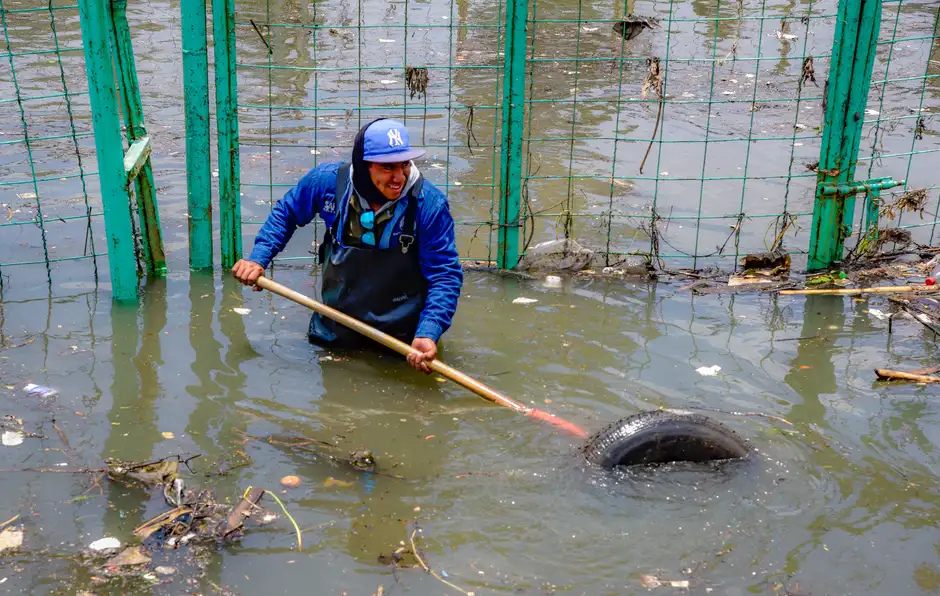
Full water extraction
Truck-mounted extractors and submersible pumps pull standing water from floors, carpet, and low spots. We use extraction wands on carpet and hard surfaces to get water out of the pad and subfloor, not just off the top.
Every job is different, but here is what is standard on a DE Water Remover Pros standing water call. If something is not covered, we tell you before we start, not after.
Truck-mounted extractors and submersible pumps pull standing water from floors, carpet, and low spots. We use extraction wands on carpet and hard surfaces to get water out of the pad and subfloor, not just off the top.
We use a moisture meter, hygrometer, and thermal imaging camera to map the wet footprint. That includes water hiding behind baseboards, under flooring, and inside wall cavities. You get a clear picture of what is wet and what is not.
Air movers and dehumidifiers placed based on the moisture map, not guesswork. We run them for 24 to 72 hours and monitor readings daily. You do not pay for equipment that is not moving the needle.
On Category 2 and 3 water (storm water, sewage, or water sitting more than 48 hours), we apply antimicrobial treatment to framing and surfaces. This slows mold growth while the structure dries.
Photos, moisture readings, thermal scans, and a written summary of the loss and the work performed. We hand you a file your adjuster can use. We also work directly with most major carriers if you want us to.
Standing Water Removal in Delaware is the process of pumping, extracting, and drying water that has pooled on a floor, in a crawl space, or across a basement slab. It is not a shop vac job. We use truck-mounted water extractors, submersible sump pumps, and portable water extraction units to pull hundreds of gallons out fast, then follow with air movers, dehumidifiers, and moisture meters to dry the framing, drywall, and subfloor underneath.
Most calls we get in Delaware come from the same handful of problems: a sump pump that quit during a storm, a burst pipe behind a wall, a sewage backup in a finished basement, or hydrostatic pressure seepage pushing water up through a slab. If you are searching for how to remove standing water in Delaware and the puddle is more than an inch deep, call us. We have been doing this work since 2012.
Five steps, start to finish. Here is exactly what happens when you call us for standing water extraction in Delaware.
Schedule
Call or book online — a real human picks up and confirms a 2-hour arrival window.
Diagnose
Licensed tech inspects on-site, then walks you through the cause and your options.
Fix
The job is completed to code and done right the first time — no shortcuts, no surprises.
Guarantee
Every job backed by a written workmanship warranty — and we stand behind it.
Truck-mounted water extractor
Pulls hundreds of gallons of standing water fast. This is the workhorse on every job. It handles the bulk extraction so portable units can focus on tight spots and final passes.
Submersible sump pump
Used when water is too deep for the extractor hose or when the space is inaccessible. We carry Wayne and Zoeller pumps on the truck for both extraction and replacement.
Thermal imaging camera
Finds water hiding behind walls, under floors, and in ceilings. This is how we catch moisture that a moisture meter alone would miss. It is also how we prove to your adjuster what was wet.
Moisture meter and hygrometer
Measures moisture content in materials and relative humidity in the air. We take readings before, during, and after drying. We do not pull equipment until readings hit dry standard.
Air movers and dehumidifiers
Dri-Eaz and Phoenix Restoration Equipment units. Air movers keep air moving across wet surfaces, dehumidifiers pull moisture out of the air. Together they dry the structure in 24 to 72 hours.
Extraction wand
Used on carpet and hard floors to pull water out of the pad and subfloor. A wand gets water out that a pump cannot reach. It is the difference between dry and dry to the touch.
ANSI/IICRC S500 Standard
The industry standard for water damage restoration. It defines water categories (clean, gray, black), drying goals, and documentation requirements. We work to S500 on every job, which is why our paperwork holds up with insurance carriers.
IICRC WRT and ASD protocols
Our techs hold IICRC Water Damage Restoration Technician (WRT) and Applied Structural Drying (ASD) certifications. That means they know how to dry a structure, not just how to run a pump. The ASD training specifically covers complex drying scenarios.
Moisture mapping and daily monitoring
We map the wet footprint on day one, then take readings daily until the structure hits dry standard. Equipment placement gets adjusted based on those readings. You do not pay for equipment that is not doing work.
Containment and antimicrobial treatment
On Category 2 and 3 water, we set containment to keep contaminants from spreading, then apply antimicrobial treatment to framing and surfaces. This slows mold growth while the structure dries and protects the rest of the house.
01
What we do: Call us. We dispatch a crew with a truck-mounted extractor and a replacement pump on the truck. We extract the water, dry the space, and can often install a new pump the same visit so you are protected for the next storm.
→ Basement dry within 24 to 72 hours, new pump installed, insurance documentation in hand.
02
What we do: We shut off the water if you have not already, extract the standing water, and use thermal imaging to find moisture inside the wall. We dry the structure and document the damage for your claim.
→ Water out same day, wall cavity dried, no mold growth, clear report for your adjuster.
03
What we do: We pump the crawl space dry, remove saturated insulation, and dry the framing. We check the vapor barrier and encapsulation liner. If the space floods regularly, we talk through drainage options.
→ Crawl space dry, smell gone, framing protected from rot and mold.
04
What we do: We treat this as Category 3. Full PPE, containment, extraction, removal of contaminated materials, and disinfection. We document everything for your insurance claim.
→ Contamination removed, space disinfected, safe for your family again.
Delaware has a few things working against homeowners when it comes to standing water. The water table is high in a lot of areas, especially near the coast and along the Delaware Bay. That means sump pumps run constantly and crawl spaces flood every spring. The housing stock is old in places like Wilmington, New Castle, and Dover, with cast iron drains and undersized sump pits that were not built for the rain we get now. Add in the freeze-thaw cycle in January and February, and you get frozen pipes that crack and dump water into walls. We run truck-mounted extractors and carry replacement pumps on every truck, so we can extract and fix the source in one visit. If you need emergency standing water cleanup in Delaware, call us. We know the difference between a Bear crawl space and a Slaughter Beach slab-on-grade, and we price the job accordingly.
Bear
Lots of newer construction with finished basements and sump pits. When pumps fail, water spreads fast across large open floors. We see a lot of sump pump failure calls here after heavy rain.
North Star
Mix of older homes and new builds. Crawl space flooding is common in the older properties. We check vapor barrier condition on every crawl space call here.
Camden
Growing area with a mix of slab-on-grade and basement homes. Slab leaks and hydrostatic pressure seepage are common. We use thermal imaging to find where water is coming up through the slab.
Bridgeville
Rural properties with well water and older plumbing. Burst pipes and frozen pipe calls are common in winter. We carry pipe repair clamps and PEX tubing on the truck.
Slaughter Beach
Coastal area with a high water table and storm surge risk. Crawl spaces flood regularly. We pump them dry and check encapsulation liner condition on every visit.
High water table near the coast and Delaware Bay
Sump pumps run constantly and crawl spaces flood every spring. We size replacement pumps for the water table, not just the pit, and check discharge lines for clogs.
Freeze-thaw cycles in January and February
Pipes in unheated crawl spaces and exterior walls crack when they freeze. When they thaw, water goes everywhere. We extract, dry, and help you identify which pipes need insulation or heat tape.
Older housing stock with cast iron drains and undersized sump pits
Cast iron drains crack and clog, causing sewage backups. Undersized pits overflow during heavy rain. We extract, dry, and recommend upgrades that match current rainfall patterns.
Summer storms and tropical systems
Heavy rain overwhelms sump pumps and floor drains. Storm water intrusion floods basements and garages. We run 24/7 during storm events and prioritize calls by severity.
Standing water is a symptom. Here are the problems we see most often in Delaware homes and how we handle them.
Problem
Basement floods fast, often two to six inches within an hour. Water wicks into drywall, carpet, and stored belongings. Mold can start within 24 to 48 hours.
Our Fix
We extract the water, dry the space, and check the pit, check valve, and discharge hose. If the pump is dead, we recommend a replacement from Wayne or Zoeller sized for your pit and water table. We can often install the same day.
Problem
Water sits against joists and subfloor, causing rot and mold. The smell travels up into the living space. Insulation gets saturated and stops working.
Our Fix
We pump the crawl space dry, remove saturated insulation, and dry the framing. We check the vapor barrier and encapsulation liner for tears. If the space floods every spring, we talk through drainage and encapsulation options.
Problem
A burst pipe can dump 50 gallons a minute into a wall cavity. Water travels along framing and shows up in rooms far from the leak. Drywall and insulation get saturated.
Our Fix
We shut off the source, extract standing water, and use thermal imaging to find hidden moisture in walls and ceilings. We dry the structure and can repair the pipe or connect you with a licensed plumber for the fix.
Problem
Category 3 water carries bacteria and pathogens. Anything it touches is contaminated. This is a health hazard, not just a mess.
Our Fix
We suit up in full PPE, contain the area, extract the water, and remove contaminated materials like carpet and pad. We disinfect and treat the space. This is not a job for a wet/dry vacuum from the garage.

Standing water does not wait, and neither should you. Here is what you get when you call DE Water Remover Pros for standing water cleanup in Delaware.
Fast response, day or night
We run 24/7 standing water removal in Delaware, including holidays and the 2 a.m. frozen pipe calls. Most Delaware addresses see a crew within 60 to 90 minutes. The longer water sits, the more it wicks into drywall and baseboards, so we treat every call as urgent.
Extraction and drying in one visit
We do not just pump water and leave. Our techs extract, set air movers and dehumidifiers, and take moisture meter readings before and after. That is the difference between a floor that looks dry and a floor that is dry.
Upfront pricing, no surprise add-ons
You get a clear price before we start. Affordable standing water extraction in Delaware usually runs $180 to $450 for a standard basement, and we tell you on the phone what drives the number up or down. No hourly meter running while you watch.
We document everything for insurance
Photos, moisture readings, thermal imaging scans, and a written summary. If your carrier needs proof of the loss, we hand you a file that answers their questions the first time, which speeds up the claim.
Google ★★★★★4.9
Called at midnight when our basement flooded. Crew arrived in about an hour, pumped out four inches of water, and set up drying equipment. They came back three days in a row to check readings. Insurance covered everything and their paperwork was spot on.
Google ★★★★★4.8
Burst pipe behind the wall. They found water with a thermal camera that we did not know was there. Extracted, dried, and gave us a written report. No mold, no smell. Professional from start to finish.
BBB ★★★★★4.9
I manage rental properties and have used them twice. Both times same-day service, upfront pricing, no surprise charges. The crawl space job was handled in one day. I keep their number in my phone.
Yelp ★★★★★4.7
Sewage backup in our finished basement. They suited up, contained the area, removed the contaminated carpet, and disinfected everything. It was a nasty job and they handled it without complaint. Highly recommend.
We deliver standing water removal services Delaware homeowners and property managers rely on across the entire state. From Bear and North Star in New Castle County down through Camden, Bridgeville, Lincoln, Frederica, Slaughter Beach, and Hartly, we have crews positioned to respond fast. If you need Delaware standing water pumping or extraction, call us.
Bear has a lot of newer construction with finished basements and sump pits. When pumps fail, water spreads fast. We extract, dry, and can install a replacement pump the same visit.
North Star has a mix of older homes and new builds. Crawl space flooding is common in the older properties. We pump them dry and check vapor barrier condition on every call.
Camden has a mix of slab-on-grade and basement homes. Slab leaks and hydrostatic pressure seepage are common. We use thermal imaging to find where water is coming up through the slab.
Bridgeville properties often have well water and older plumbing. Burst pipes and frozen pipe calls are common in winter. We carry pipe repair clamps and PEX tubing on the truck.
Lincoln is a growing area with a mix of housing types. We handle basement flooding, crawl space water, and storm water intrusion. Same-day service is usually available for non-emergency calls.
Frederica is a small town with older housing stock. We see a lot of sump pump failures and foundation seepage here. We extract, dry, and recommend drainage fixes to stop it from coming back.
Slaughter Beach sits right on the bay with a high water table and storm surge risk. Crawl spaces flood regularly. We pump them dry and check encapsulation liner condition on every visit.
Hartly is rural with well water and septic systems. Frozen pipes in winter and storm water intrusion in summer are the main calls. We extract, dry, and help you prevent the next one.
Real experiences from customers who chose our Standing Water Removal services.
“Sump pump died during a storm and we had four inches in the basement. Called at 11 p.m. and a crew was here in about an hour. They pumped it out, set up fans and dehumidifiers, and came back for three days to check readings. Insurance covered it and their paperwork made the claim easy.”
Mike R.
Homeowner, Bear
“We had a burst pipe in the wall over the holidays. They found water behind the drywall with a thermal camera that we would never have known about. Extracted everything, dried it out, and gave us a written report. No mold, no smell. Worth every penny.”
Sandra K.
Homeowner, Camden
“I manage a few rentals and have used DE Water Remover Pros twice now. Both times they showed up same day, gave me a price upfront, and did not nickel and dime me on equipment rental. The crawl space job in Bridgeville was handled in one day. I keep their number in my phone.”
James T.
Property Manager, Bridgeville
Real answers to the questions we hear most often from local homeowners and property managers.
When storm flooding pushes water into your home, we extract it, dry the structure, and document the loss for your insurance claim. Flood water often carries contaminants, so we treat it as Category 2 or 3 and handle disposal properly.
View Flood Water RemovalDelaware storms dump water fast. We clear storm water intrusion from basements, garages, and crawl spaces, then check for roof leaks and foundation seepage that let the water in. Most storm calls get same-day service.
View Storm Water RemovalFinished or unfinished, we pump basements dry and dry the framing, drywall, and flooring. We check sump pits, floor drains, and foundation walls for the source so the same problem does not come back next storm.
View Basement Water RemovalCrawl space standing water rots joists and feeds mold fast. We extract, dry, and check vapor barrier and encapsulation liner condition. If your crawl space floods every spring, we can talk through drainage and encapsulation options.
View Crawl Space Water RemovalSewage backups are Category 3 water and require full PPE, containment, and disinfection. We extract, remove contaminated materials, and treat the space. This is not a job for a wet/dry vacuum from the garage.
View Sewage Water RemovalA burst pipe can dump 50 gallons a minute into a wall cavity. We shut off the source, extract, and dry the wall cavity using thermal imaging to find hidden moisture. We also repair the pipe or connect you with a licensed plumber.
View Burst Pipe Water RemovalCall (833) 640-1438 any time, day or night. A live dispatcher answers, takes your address, and sends the nearest crew. Most of Delaware is inside a 60-minute response window. If you prefer email, send photos and your address to info@dcwaterremoverpros.com and we will call you back within 15 minutes.
Phone
(833) 640-1438Address
Serving Statewide, Delaware
Hours
Mon–Fri: 7AM – 7PM
Sat: 8AM – 4PM
Sun: Emergency Only
24/7 Emergency Available