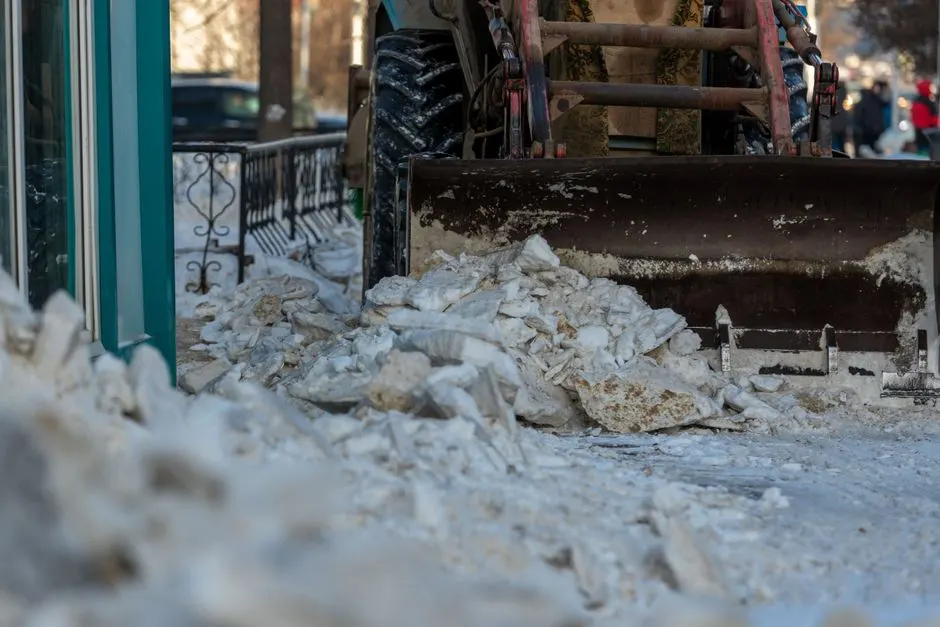
Emergency Water Extraction
Truck-mounted and portable extractors pull standing water from carpet, hardwood, tile, and concrete. A submersible sump pump handles deep water in basements and crawl spaces before extraction gear goes in.
Every frozen pipe job is different, but the core scope is consistent. Here is what is covered on a standard call, and what we handle as an add-on when the situation calls for it.
Truck-mounted and portable extractors pull standing water from carpet, hardwood, tile, and concrete. A submersible sump pump handles deep water in basements and crawl spaces before extraction gear goes in.
A thermal imaging camera and moisture meter trace the leak back to the split, even when the pipe is buried in a wall or ceiling cavity. No guesswork, no unnecessary demo.
Air movers and commercial dehumidifiers are positioned based on the moisture map. We log readings daily with a hygrometer until the structure hits dry standard.
Affected framing, subfloor, and wall cavities get an antimicrobial application to slow mold growth while the structure dries. HEPA filtration runs during any demo work.
We cut out the split section and replace it with new PVC pipe or PEX tubing, using a pipe repair clamp where a full section swap isn't needed. The line gets pressure-tested before we leave.
Photos, moisture maps, and a written scope of loss go to your adjuster. That package is often what gets a frozen pipe claim approved without a second visit.
Frozen Pipe Water Removal in Delaware is the process of stopping an active leak from a split pipe, extracting standing water, and drying the structure before secondary damage sets in. A frozen line doesn't always burst where it froze; pressure builds between the ice block and the nearest fixture, so the split often happens inside a wall cavity or under a slab. We use a thermal imaging camera to trace the leak, a moisture meter and hygrometer to map the wet zone, and a truck-mounted water extractor to pull hundreds of gallons fast.
Delaware sits in a freeze-thaw belt where January lows drop into the teens and single digits, then climb back above freezing by afternoon. That cycle stresses PVC pipe and PEX tubing in unheated crawl spaces, garages, and vacation homes along the coast. When a line lets go at 2 a.m., you need emergency frozen pipe water extraction in Delaware, not a callback in the morning. We run 24/7 crews out of multiple staging points so a burst pipe in Hockessin or a flooded crawl space in Delmar gets the same fast response.
Every job follows the same disciplined sequence, from the first phone call to the final moisture reading. Here is what you can expect when we roll up.
Schedule
Call or book online — a real human picks up and confirms a 2-hour arrival window.
Diagnose
Licensed tech inspects on-site, then walks you through the cause and your options.
Fix
The job is completed to code and done right the first time — no shortcuts, no surprises.
Guarantee
Every job backed by a written workmanship warranty — and we stand behind it.
Truck-Mounted Water Extractor
Pulls hundreds of gallons from carpet, pad, and hard flooring at a rate portable units can't match. This is the workhorse on any flooded basement or first-floor job.
Thermal Imaging Camera
Finds the temperature differential where a pipe has split, even behind drywall or under a slab. It tells us where to open the wall and where to leave it alone.
Moisture Meter and Hygrometer
Maps the wet zone and tracks drying progress daily. We log readings so you can see exactly when the structure hits dry standard.
Dri-Eaz and Phoenix Air Movers
Move air across wet surfaces to accelerate evaporation. Positioned based on the moisture map, not just scattered around the room.
Commercial Dehumidifier
Pulls moisture out of the air so the drying process keeps moving. Essential in crawl spaces and basements where humidity stays high.
Submersible Sump Pump
Handles deep standing water in basements and crawl spaces before extraction gear can go in. Wayne and Zoeller pumps are our go-to for reliability.
Extraction Wand
Gets water out of carpet and padding without tearing it up. Saves flooring when the water is clean and the job is caught early.
ANSI/IICRC S500 Standard
The industry standard for water damage restoration. It guides how we classify the water, map the affected area, and set drying goals. Every job we run follows it.
Thermal Leak Tracing
We use a thermal imaging camera to find the split before we open anything. That means less demo, less mess, and a faster repair on the pipe itself.
Moisture Mapping and Daily Logging
We map the wet zone on day one and log readings every day until the structure is dry. You get the log, and so does your adjuster if you file a claim.
Antimicrobial Application
Affected framing and cavities get an antimicrobial treatment before drying starts. It slows mold growth while the structure dries, which matters in Delaware's humid summers.
01
What we do: Call (833) 640-1438 and we dispatch a crew immediately. We walk you through shutting off the main while the truck is en route, then extract, dry, and repair the pipe section.
→ Standing water is gone within hours, drying equipment is running before sunrise, and the pipe is repaired the same day.
02
What we do: We pump the standing water, extract the rest, and dry the joists and subfloor. We check pipe insulation and the vapor barrier, then document everything for your claim.
→ The crawl space is dry, the pipe is repaired, and you have photos and moisture logs for your insurance adjuster.
03
What we do: We use thermal imaging to trace the leak, open the wall where needed, extract the water, and dry the cavity. The pipe gets repaired and pressure-tested before we close up.
→ The hidden leak is fixed, the wall is dry, and you avoid a mold problem that would have cost far more to remediate.
04
What we do: We respond 24/7, extract the water, dry the structure, and repair the pipe. We document the whole job so the property owner and their insurer have a clean record.
→ The unit is dry and rentable again within a week, with no lingering moisture or mold issues.
Delaware's freeze-thaw pattern is what makes frozen pipe water removal in Delaware different from a job in a colder, drier state. January lows drop into the teens, then climb back above freezing by afternoon. That cycle stresses PVC pipe and PEX tubing in unheated crawl spaces, garages, and vacation homes. New Castle County has older housing stock with plaster walls and copper lines that hold water and dry slowly. Sussex County has beach properties that sit empty all winter, so a burst pipe can run for days before anyone notices. We stage crews across the state so a call from Hockessin or Henlopen Acres gets the same fast response. If you need emergency frozen pipe water cleanup in Delaware, we roll 24/7 with extraction and drying gear already loaded. We also work to the ANSI/IICRC S500 standard on every job, and we document moisture readings daily so you and your adjuster can see the structure drying in real time.
Hockessin
Larger lots with long exterior runs of pipe mean more freeze exposure. We see a lot of split supply lines in unheated garages here.
Pike Creek
Townhome clusters with shared walls and crawl spaces. Frozen lines in one unit can affect neighbors, so we check adjacent walls.
Greenville
Older estate homes with plaster walls and copper plumbing. Plaster dries slowly, so drying timelines run longer than modern construction.
Delmar
Right on the state line, with a mix of older farmhouses and newer builds. Crawl space freezes are common on the rural properties.
Henlopen Acres
Beach properties that sit empty in winter. A burst pipe can run for days before anyone notices, so we document everything for the owner.
Freeze-thaw cycles from December through March
Pipes freeze overnight and thaw by afternoon, which is when most splits actually leak. We see the highest call volume in January and February.
High water table in coastal Sussex County
Crawl spaces stay damp, so drying takes longer and we run dehumidifiers longer than we would inland. Vapor barrier condition matters here.
Older housing stock in New Castle County
Plaster walls, copper lines, and uninsulated exterior walls hold water and dry slowly. We adjust drying timelines and equipment counts accordingly.
Vacation homes empty all winter
Water can run for days before anyone notices. We document the full scope with photos and moisture logs so the owner and insurer have a clean record.
A frozen pipe is rarely just a frozen pipe. Here are the problems we see most often on frozen pipe water removal calls across the state, and what happens if they get ignored.
Problem
Water soaks insulation and drywall from the inside, and you often don't see it until the ceiling stains or the wall bulges. Mold can start in 24 to 72 hours.
Our Fix
We trace the leak with thermal imaging, open the wall only where needed, extract the water, and dry the cavity with directed air. The pipe gets repaired, and the wall is closed up after it hits dry standard.
Problem
Standing water under the house raises humidity, warps joists, and rusts plumbing and electrical components. Crawl space mold is common within a week.
Our Fix
We pump the standing water, extract the rest, and dry the joists and subfloor. We check the vapor barrier and pipe insulation, then recommend encapsulation liner upgrades if the space is chronically wet.
Problem
The pump runs but can't move water, so the pit overflows into the basement. That is how a frozen pipe turns into a flooded finished basement.
Our Fix
We extract the basement water, then check the discharge hose routing and the check valve. If the line is frozen, we thaw it and re-route it so it drains below the frost line.
Problem
Slow drip inside the wall rots framing and subfloor over weeks. By the time you smell it, the damage is often more expensive than a fast extraction would have been.
Our Fix
We locate the leak, extract any standing water, and dry the wall cavity. If the damage is extensive, we coordinate with your plumber or handle the pipe repair ourselves, then document everything for insurance.

A burst pipe is a race against mold, warped flooring, and ruined drywall. Here is what our frozen pipe water removal services in Delaware actually deliver.
Rapid Water Extraction
Truck-mounted extractors pull water from carpet, hardwood, and subfloor at rates a shop vac can't touch. Most residential jobs are dry to the touch within 24 to 48 hours when we start the same day.
Structural Drying Done Right
Air movers and Dri-Eaz dehumidifiers run in a calculated pattern based on ANSI/IICRC S500 drying science. We log moisture readings daily so you know exactly when the structure hits dry standard.
Mold Prevention Built In
Mold can colonize wet drywall in 24 to 72 hours. We apply antimicrobial treatment to affected framing and use HEPA filtration during demo, cutting the odds of a mold problem down the road.
Insurance Documentation
We photograph every affected room, log moisture maps, and provide a scope of loss your adjuster can work from. That paperwork often speeds up claim approval for frozen pipe flooding water removal in Delaware.
Google ★★★★★4.9
Called at 5 a.m. after a pipe burst in our kitchen wall. Crew was here by 6:30, water was out by 9, and drying equipment was running by noon. They handled the insurance photos and moisture log. Four days later, everything was dry.
Yelp ★★★★★4.8
Our crawl space flooded from a frozen line in Delmar. They pumped it, dried the joists, and checked the vapor barrier. Honest pricing and they didn't try to sell us anything we didn't need. Would call again.
BBB ★★★★★4.9
Professional from the first phone call. They walked me through shutting off the main while the truck was on the way. Extracted the water, repaired the pipe, and left the basement dry. Documentation was thorough for our claim.
DE Water Remover Pros has been pulling water out of Delaware homes since 2012. That is 14 winters of burst pipes, failed sump pumps, and frozen crawl space lines from New Castle County down to Sussex. Our technicians hold IICRC Water Damage Restoration Technician (WRT) and Applied Structural Drying (ASD) credentials, and we work to the ANSI/IICRC S500 standard on every job. We know how Delaware building stock behaves when it gets wet, from 1920s plaster walls in Bellefonte to modern PEX plumbing in new construction out near Middletown.
We deliver frozen pipe water removal across Delaware, from the northern suburbs of New Castle County down to the beach towns in Sussex. Whether you need Delaware frozen pipe water extraction for a Wilmington row home or emergency frozen pipe water cleanup in Delaware for a property in Henlopen Acres, we stage crews to reach you fast. Here are a few of the communities we serve most often.
Large lots and long exterior pipe runs make Hockessin a frequent freeze call. We extract, dry, and check pipe insulation on every job.
Townhome clusters with shared walls and crawl spaces. We check adjacent units when a frozen line splits in one home.
Older estate homes with plaster walls and copper plumbing. Plaster dries slowly, so we plan longer drying timelines here.
Right on the state line, with a mix of farmhouses and newer builds. Crawl space freezes are common, and we handle them 24/7.
Historic homes near the river with older plumbing and tight wall cavities. We use thermal imaging to trace leaks without unnecessary demo.
Small-town properties with well water and exterior lines. Frozen supply lines here often mean a split at the pressure tank connection.
Rural Kent County properties where crawl space lines are exposed to hard freezes. We pump, extract, and dry the joists fast.
Beach properties that sit empty in winter. We document everything for owners and insurers when a pipe runs for days.
Real experiences from customers who chose our Frozen Pipe Water Removal services.
“Our upstairs supply line froze and split during that cold snap in January. Water came through the ceiling into the kitchen. DE Water Remover Pros had a crew here by 6 a.m., pulled the water, and set up drying equipment the same morning. Four days later, moisture readings were back to normal. They handled the insurance photos too.”
Karen M.
Homeowner, Hockessin
“I own a rental near the state line and the crawl space line froze solid. Water was standing under the whole house. They pumped it out, dried the joists, and checked the pipe insulation before they left. Honest pricing, no upsell, and they sent me the moisture log for my records.”
Dave R.
Property Owner, Delmar
“A pipe burst behind the laundry wall on a Sunday night. I called at 11 p.m. and a technician walked me through shutting off the main while the truck was on the way. They extracted the water, cut out the wet drywall, and had air movers running by 1 a.m. That kind of response is hard to find.”
Priya S.
Homeowner, Bellefonte
Real answers to the questions we hear most often from local homeowners and property managers.
When a frozen pipe lets go and floods a finished basement, the job crosses into full flood water removal territory. We extract, dry, and document the same way, with the same equipment.
View Flood Water RemovalWinter storms bring frozen pipes and storm water intrusion at the same time. If your sump pit is overwhelmed while a line is frozen, we handle both problems in one visit.
View Storm Water RemovalBasements are where frozen pipe water ends up. We pump, extract, and dry basement floors, walls, and stored contents, then check the sump pump and discharge hose before we leave.
View Basement Water RemovalCrawl spaces are the most common freeze zone in Delaware homes. We pull water from the vapor barrier, dry the joists, and check pipe insulation before the next cold snap.
View Crawl Space Water RemovalDeep standing water from a burst pipe needs a submersible sump pump before extraction gear can work. We stage both, then dry the structure to standard.
View Standing Water RemovalA frozen sewer line can back up into the house when it thaws. That is a contaminated water category, and we handle it with the same care and documentation as any frozen pipe job.
View Sewage Water RemovalCall (833) 640-1438 any time, day or night. A live dispatcher answers, takes your address, and sends the nearest crew. Most of Delaware is inside a 60-minute response window. If you prefer email, send photos and your address to info@dcwaterremoverpros.com and we will call you back within 15 minutes.
Phone
(833) 640-1438Address
Serving Statewide, Delaware
Hours
Mon–Fri: 7AM – 7PM
Sat: 8AM – 4PM
Sun: Emergency Only
24/7 Emergency Available