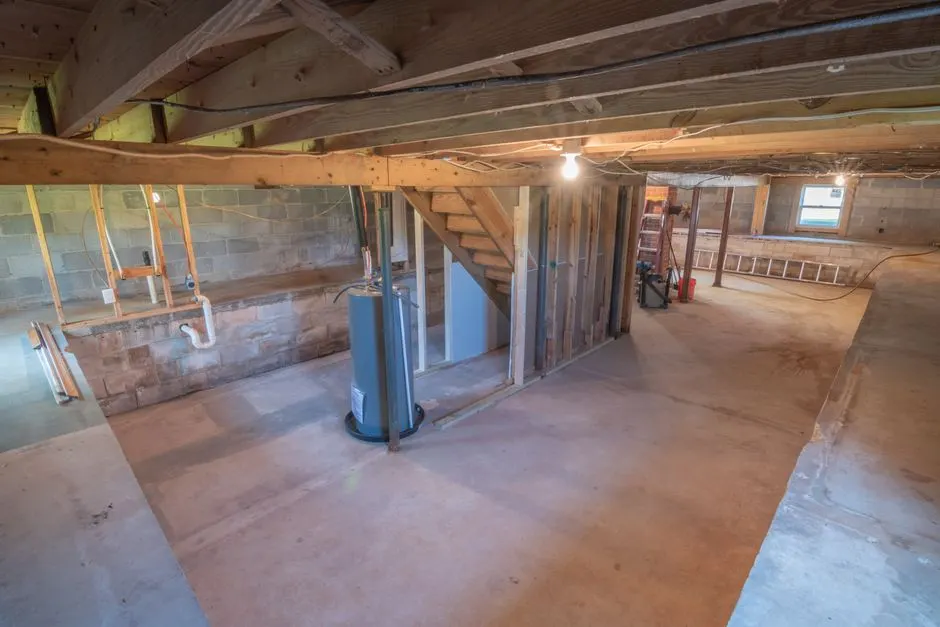
Your crawl space is wet because water is entering from below the ground, from a plumbing leak, or from humid air condensing on cool surfaces-not from rain. In Delaware, the most common culprit is a rising water table that pushes groundwater through the foundation floor and block walls, especially in low-lying areas near rivers and marshes. This article walks through every realistic cause we see in the field, how to tell them apart, and what it takes to dry the space out for good.
The Short Answer: Your Crawl Space Is Wet Because Water Is Coming From Somewhere Other Than Rain
Why is my crawl space wet even when it has not rained is a question that comes down to one principle: water finds a path. If it is not falling from the sky, it is wicking up through the soil, leaking from a pipe, or condensing out of the air. Delaware's water table sits high in many neighborhoods-especially in Kent and Sussex counties-so the ground under your home can stay saturated for weeks after the last storm.
Crawl space moisture problems in Delaware are rarely a single-event issue. They build slowly. A foundation drain that clogs in October might not show up as standing water until February. By then, the joists are already absorbing moisture and the insulation is sagging. The earlier you identify the source, the cheaper the fix.
Groundwater and Soil Saturation: The Most Common Cause in Delaware
Groundwater and soil saturation cause most wet crawl spaces in Delaware because the state's coastal plain geology holds water like a sponge. The water table in parts of Dover, Milford, and Georgetown can sit less than 24 inches below the surface during wet months. When it rises, hydrostatic pressure pushes water through the smallest cracks in the foundation floor and the mortar joints of block walls.
You will often see this as a dark, damp stain that spreads across the crawl space floor rather than a single puddle. The soil smells like a wet basement-earthy, musty, slightly sour. If you press a knee into the dirt and water seeps up around it, you are looking at groundwater, not a leak.
We see this constantly in older homes across Water Removal in Dover where the original foundation drains were installed in the 1960s and have long since filled with silt. A sump pump and a proper vapor barrier solve most of these cases, but the water has to be removed first before any repair holds.
High Humidity and Condensation: When the Air Itself Is the Problem
High humidity and condensation create crawl space dampness no rain can explain, and Delaware's summer dew points routinely hit 70°F or higher. Warm, moist air enters through foundation vents, hits the cool earth and concrete, and condenses into liquid water. It is the same physics that makes a glass of iced tea sweat on a July afternoon.
Condensation shows up as beads of water on joists, pipes, and the underside of subfloor sheathing. You might see white, chalky efflorescence on the concrete-that is mineral salt left behind as water evaporates. The wood feels cool and clammy rather than soaked.
This is where crawl space humidity problems in Delaware get expensive. Wood framing held above 20% moisture content for more than a few weeks becomes a target for mold and wood-destroying insects. We have pulled insulation out of crawl spaces in Water Removal in Wilmington that was dripping wet from condensation alone-no rain, no leak, just humid air meeting a cold surface.
Plumbing Leaks and Drain Lines You Cannot See
Plumbing leaks and drain lines you cannot see are the second-most-common cause we find, and they are the easiest to misdiagnose. A pinhole leak in a copper supply line can spray a fine mist for months before anyone notices. A cracked PVC drain line under a bathroom can drip every time someone showers.
Look for water that appears in one concentrated area rather than spread across the whole floor. The soil around the leak will be darker and softer. You may smell sewage if a drain line is involved-that is a different problem and needs immediate attention.
If you see standing water near a fixture or a wet spot that keeps coming back after you dry it, call a plumber first. Once the leak is fixed, we can handle the Crawl Space Water Removal in Delaware to get the space dry and prevent mold from taking hold.
Sump Pump Failure and Poor Drainage
Sump pump failure and poor drainage turn a manageable crawl space into a flooded one, and they are the most common reason we get called out after a quiet week with no rain. A sump pump that has lost power, burned out its motor, or frozen in a cold snap stops moving water out. The pit fills, the water backs up, and the crawl space floods.
Check three things before you call anyone: Is the pump plugged in? Is the float stuck? Is the discharge line frozen or clogged? If the pump runs but does not move water, the impeller may be jammed with debris.
Even a working pump can be overwhelmed if the exterior grading slopes toward the foundation. Delaware's clay-heavy soils do not drain quickly, so roof runoff and surface water pool against the house instead of running away. We see this in neighborhoods across Water Removal in Newark where the original builder graded the lot flat and the gutters dump right at the foundation.
What Causes a Wet Crawl Space Without Rain in Delaware? A Quick Diagnostic List
What causes a wet crawl space without rain in Delaware usually falls into one of these categories. Use this list to narrow down what you are dealing with before you spend money on a fix.
- Groundwater rise: Water seeps up through the floor, often after a wet season or snowmelt. Common near rivers, marshes, and low-lying neighborhoods.
- Condensation: Beads of water on joists, pipes, and insulation. Worst in summer when outdoor humidity is high.
- Plumbing leak: Concentrated wet spot, sometimes with a sewage smell. Gets worse when fixtures are used.
- Sump pump failure: Standing water in the pit or across the floor. Pump may be silent, humming, or running constantly.
- Poor exterior drainage: Water pools against the foundation after rain or snowmelt. Gutters overflow or discharge too close to the house.
- Foundation cracks: Visible cracks in the block or poured walls, often with efflorescence or damp stains.
If you can rule out plumbing and sump pump issues, the problem is almost always groundwater or humidity. Both require a different fix-and both get worse the longer you wait.
Common Mistakes Delaware Homeowners Make With a Wet Crawl Space
Common mistakes Delaware homeowners make with a wet crawl space usually involve treating the symptom instead of the source. Here are the ones we see most often, and what to do instead.
- Running a dehumidifier without fixing the water source. A dehumidifier pulls moisture out of the air, but if groundwater is still entering, you are fighting a losing battle. The unit runs constantly, drives up your electric bill, and never gets ahead.
- Sealing vents without addressing humidity. Closing crawl space vents can help in some cases, but if the space is already wet, you are trapping moisture inside. Dry it out first, then decide on encapsulation.
- Ignoring a small leak. A pinhole leak in a copper pipe can spray a gallon of water a day. Over a month, that is enough to rot subfloor sheathing and grow mold across 50 square feet.
- Using a shop vac and calling it done. Removing standing water is step one. The framing, insulation, and soil still hold moisture. Without proper drying, mold starts within 24 to 48 hours.
- Assuming it will dry on its own. In Delaware's humid climate, a wet crawl space rarely dries without help. The relative humidity stays high enough that evaporation is slow and mold growth is fast.
One more mistake: waiting until you smell mold. By the time you notice the musty odor upstairs, the crawl space has been wet long enough to colonize. Mold can start growing on wet wood in as little as 24 hours.
When to Call a Professional for Crawl Space Water Removal
Call a professional when the water is more than a damp spot, when you smell mold or sewage, or when the space has been wet for more than 48 hours. Those are the conditions where DIY drying stops working and structural damage starts.
We handle the extraction, the drying, and the moisture verification. Our team uses commercial-grade dehumidifiers and air movers to pull moisture out of the framing and soil, then we verify with a moisture meter before we leave. If we find a plumbing leak or a failed sump pump, we tell you so you can get it fixed-we do not leave you guessing.
If you are dealing with a flooded crawl space after a storm or a burst pipe, we also offer Flood Water Removal in Delaware to get the water out fast and prevent secondary damage. The sooner we start, the less we have to replace.
Frequently Asked Questions
Why is my crawl space wet even when it has not rained in Delaware?
Because water is entering from below ground, from a plumbing leak, or from humid air condensing on cool surfaces. Delaware's high water table and humid summers make all three common. Rain is only one of several ways water gets into a crawl space.
What causes crawl space moisture without rain in Delaware?
Groundwater rise, plumbing leaks, sump pump failure, and condensation from humid air. In Delaware, groundwater and condensation are the top two causes. Both get worse in summer and during wet seasons when the water table rises.
How do I dry out a wet crawl space in Delaware?
Remove standing water with a pump or wet vac, then run commercial dehumidifiers and air movers for 3 to 5 days. In Delaware's humidity, a residential dehumidifier is rarely enough. Verify moisture content in wood before you close up the space.
Is a wet crawl space a problem if it hasn't rained in Delaware?
Yes. Mold can start growing on wet wood in 24 to 48 hours. Long-term moisture rots joists, ruins insulation, and attracts termites and carpenter ants. It also drives up energy bills and can make upstairs air smell musty.
Who should I call for a wet crawl space in Delaware?
Call a water removal company that handles crawl space extraction and drying. If you suspect a plumbing leak, call a plumber first. DE Water Remover Pros handles the water removal and drying-call (833) 640-1438.
Get Help With Water Removal in Delaware
A wet crawl space does not fix itself, and in Delaware's climate it rarely dries out on its own. We remove the water, dry the framing, and verify the moisture levels so you can close the space up knowing it is actually dry.
Call DE Water Remover Pros at (833) 640-1438. We will tell you what we see, what it takes to fix it, and what it costs-no guesswork.