DE Water Remover Pros
Get Estimate

Roof Leak Water Removal in Delaware, Done Right

Fast extraction, structural drying, and mold prevention statewide


Roof Leak Water Removal in Delaware starts with a call and ends with a dry ceiling, dry insulation, and a moisture reading that proves it. We pull standing water with truck-mounted extractors, dry the framing with air movers and dehumidifiers, and treat the leak zone before mold sets in. If a storm just opened your roof up, call (833) 640-1438.

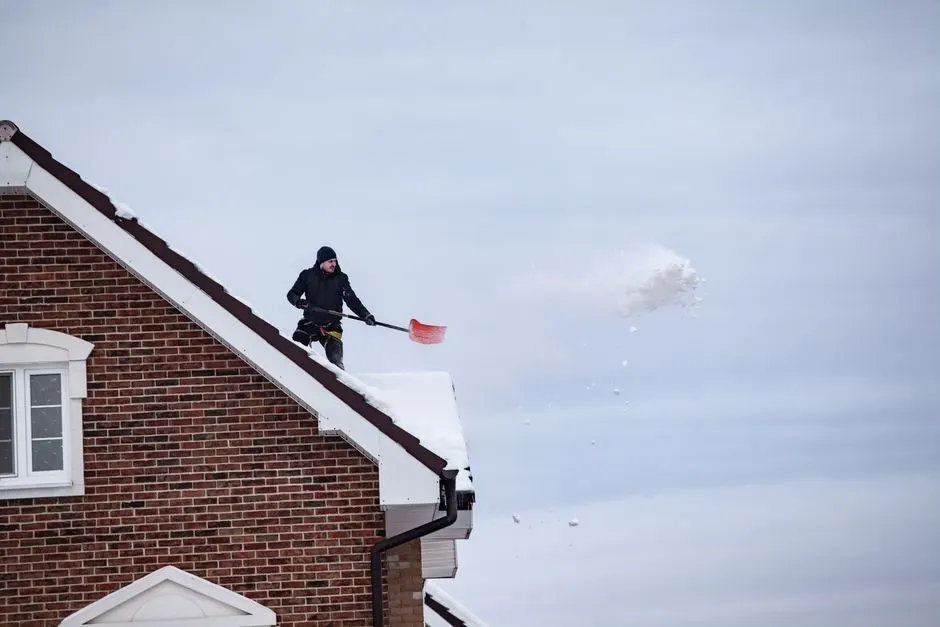
A man shoveling snow off a rooftop, indicating winter outdoor activity.
Licensed Licensed & Bonded
Fully Insured Insured & Bonded
24/7 Emergency Same-Day Response
Warranty Backed 14+ Years Trusted

What Our Roof Leak Water Removal Service Includes

Every roof leak water removal job we run includes the full scope from extraction through final moisture verification. We do not quote extraction and drying as separate line items, because you cannot do one without the other and still solve the problem.

Thermal Inspection and Moisture Mapping

A thermal imaging camera locates hidden moisture behind drywall and in ceiling cavities. A moisture meter confirms the reading. We map the wet zone and show you what we found before we start any extraction work.

Truck-Mounted Water Extraction

A truck-mounted water extractor pulls standing water from ceilings, attics, and floors. For tight spaces, we run a portable water extraction unit and an extraction wand. A submersible sump pump handles pooled water in lower levels.

Air Movers and Dehumidifier Setup

We place air movers and dehumidifiers sized to the wet zone. A 200-square-foot ceiling cavity typically needs four to six air movers and one large dehumidifier. Equipment stays in place until the framing hits dry standard.

Antimicrobial Treatment

We apply antimicrobial treatment to affected framing, sheathing, and drywall edges. This is standard scope on every job, not an add-on. It stops mold growth after water damage from taking hold in the wall cavity where you cannot see it.

Daily Moisture Monitoring

A technician returns every 24 hours to log readings with a hygrometer and adjust equipment placement. You get the log at the end of the job. Most ceiling cavities dry in three to five days depending on material and airflow.

Final Moisture Report

When the framing and drywall reach dry standard, we pull the equipment and give you a written moisture report with before-and-after readings and photos. That document goes straight into your insurance claim file.

What Roof Leak Water Removal in Delaware Actually Involves


Roof Leak Water Removal in Delaware is the process of extracting water that has entered through a failed roof assembly, then drying the ceiling cavity, insulation, and framing before secondary damage sets in. Water travels along rafters and trusses, so the wet spot on your ceiling is rarely where the leak started. We use a thermal imaging camera and a moisture meter to trace the path, then a truck-mounted water extractor and portable water extraction unit to pull the water out.

Delaware homes take roof leaks from three directions: nor'easters off the coast, summer thunderstorms that dump two inches in an hour, and ice dams that form when snow melts and refreezes at the eaves. In Smyrna and Kent Acres, we see a lot of aging shingle roofs on 1970s ranches. In Dewey Beach and Milton, wind-driven rain pushes under flashing. If you need emergency roof leak water extraction in Delaware at 2 a.m., we answer the phone and roll.

How Our Roof Leak Water Removal Process Works

From the first phone call to the final moisture reading, here is exactly what happens when you hire us for roof leak water removal services in Delaware.

01

Schedule

Call or book online — a real human picks up and confirms a 2-hour arrival window.

02

Diagnose

Licensed tech inspects on-site, then walks you through the cause and your options.

03

Fix

The job is completed to code and done right the first time — no shortcuts, no surprises.

04

Guarantee

Every job backed by a written workmanship warranty — and we stand behind it.

Tools and Methods We Use for Roof Leak Water Removal

Tools & Equipment

Truck-Mounted Water Extractor

Pulls hundreds of gallons per hour from ceilings, attics, and floors. This is the first tool on site and the one that stops the water from spreading to lower levels.

Portable Water Extraction Unit

Reaches tight attic spaces and second-floor ceilings where the truck mount cannot go. Paired with an extraction wand for ceiling cavities and wall voids.

Thermal Imaging Camera

Finds hidden moisture behind drywall and in ceiling cavities by reading temperature differences. This is how we locate water that has traveled away from the visible stain.

Moisture Meter and Hygrometer

Confirms moisture content in framing and drywall, and measures relative humidity in the air. We log readings every 24 hours until the structure hits dry standard.

Air Movers and Dehumidifiers

Air movers push air across wet surfaces to speed evaporation. Dehumidifiers pull that moisture out of the air. A 200-square-foot cavity typically needs four to six air movers and one large dehumidifier.

Submersible Sump Pump

Removes pooled water from basements and crawl spaces when a roof leak has traveled all the way down. We run Wayne and Zoeller pumps on these calls.

Wet/Dry Vacuum

Handles small volumes and final cleanup in tight spots. We keep RIDGID and Shop-Vac units on every truck for detail work around electrical boxes and framing.

Methods & Standards

ANSI/IICRC S500 Standard

The industry standard for water damage restoration. It defines how we classify water, how we set drying goals, and how we verify that the structure has reached dry standard. Every job we run follows this protocol.

IICRC Applied Structural Drying (ASD) Protocol

A drying methodology that uses psychrometric readings to calculate how much air movement and dehumidification a space needs. We use it to size equipment correctly instead of guessing and hoping the cavity dries.

Thermal Mapping and Moisture Verification

We combine thermal imaging with moisture meter readings to map the wet zone before extraction and verify dry standard before we pull equipment. No guesswork, no early pull, no mold callbacks.

Antimicrobial Application

We apply antimicrobial treatment to affected framing, sheathing, and drywall edges as standard scope. This is the step that stops mold growth after water damage from taking hold in the cavity.

When to Call for Roof Leak Water Removal

01

A nor'easter drove rain under your flashing and the ceiling is dripping in three rooms.

What we do: We dispatch a crew with a truck-mounted water extractor and enough air movers and dehumidifiers for multiple rooms. We map the wet zone across all three ceilings, extract the water, and set up a drying plan that covers the whole affected area in one visit.

→ Water is out within three hours. Drying completes in four to five days. You get one moisture report covering all three rooms for your insurance claim.

02

You came back from a two-week vacation and found a brown stain across the bedroom ceiling.

What we do: We inspect with a thermal imaging camera to find how far the water traveled, extract what is still pooled, and check for mold growth after water damage in the ceiling cavity. If mold is present, we treat it as part of the scope.

→ You know exactly what is wet and what is not. The cavity dries in three to five days, and you have documentation showing whether mold was present before we started.

03

An ice dam formed at the eaves and water is running down inside the wall.

What we do: We extract the water from the wall cavity using a portable water extraction unit, dry the framing with air movers, and check the insulation for compression. We document the ice dam location for your roofer.

→ The wall cavity dries without a tear-out in most cases. You get a moisture report and a clear picture of what your roofer needs to fix.

04

A summer thunderstorm dropped two inches in an hour and your attic floor is soaked.

What we do: We extract standing water from the attic floor with a truck-mounted extractor, remove saturated insulation, and set up structural drying with air movers and dehumidifiers sized to the attic volume.

→ Attic framing hits dry standard in three to four days. Insulation replacement is documented for your claim.

How Roof Leak Water Removal Runs in Delaware

Delaware roof leak water extraction is a different job depending on where you are in the state. Along the coast in Dewey Beach, Milton, and Lewes, wind-driven rain pushes under flashing and around windows during nor'easters. Inland in Smyrna, Kent Acres, and Dover, we see more ice dam damage in January and February when snow melts on the roof and refreezes at the eaves. The building stock matters too. Wilmington and Edgemoor have a lot of 1920s plaster walls that hold water differently than modern drywall. Plaster takes longer to dry but cracks if you push too much air at it. We adjust the drying plan accordingly. Newer construction in Middletown and Townsend uses OSB sheathing that swells fast when it gets wet, so extraction speed matters more. If you need affordable roof leak water extraction in Delaware, the scope changes with the house, and we quote it that way.

Neighborhoods We Serve

  • Dewey Beach and Rehoboth Beach

    Coastal homes take wind-driven rain under flashing during nor'easters. We see more second-floor ceiling leaks here than anywhere else in the state.

  • Smyrna and Kent Acres

    1970s ranch homes with aging shingle roofs. Ice dams form at the eaves in January and February and push water into the attic.

  • Wilmington and Edgemoor

    Pre-1978 homes with plaster walls. Plaster dries slower than drywall, so we extend the drying window and reduce air speed to avoid cracking.

  • Middletown and Townsend

    Newer construction with OSB sheathing. OSB swells fast when wet, so extraction speed is the priority on these calls.

  • Milton and Dagsboro

    Inland Sussex County homes with mature tree cover. Storm debris damages shingles and opens the roof to water intrusion.

Local Conditions We Plan For

  • Nor'easters driving rain under coastal flashing

    Wind-driven rain forces water past flashing and window seals in Dewey Beach, Milton, and Lewes. The leak shows up as a ceiling stain far from the actual entry point.

  • Ice dams forming at the eaves in January and February

    Snow melts on the roof and refreezes at the eaves, forcing water under shingles. Inland areas like Smyrna and Kent Acres see the most ice dam calls.

  • Summer thunderstorms dropping two inches in an hour

    Fast, heavy rain overwhelms flashing and saturates attic insulation. These calls come in clusters across the whole state from June through August.

  • Aging shingle roofs on 1970s and 1980s homes

    Older roofs in Smyrna, Dover, and Kent Acres fail at the flashing and pipe boots first. Small leaks go unnoticed until the ceiling stain appears.

Smyrna Ranch Ceiling Dried Without Tear-Out

Before

A January ice dam pushed water under the shingles and into the attic of a 1975 ranch in Smyrna. The homeowner found a brown stain spreading across the living room ceiling. Moisture readings showed the ceiling cavity at 32 percent moisture content, well above dry standard.

After

We extracted the trapped water with a portable extraction unit, set four air movers and one dehumidifier, and logged readings every 24 hours. The cavity hit dry standard in four days. No drywall was removed. Final moisture content was 11 percent.

Maintenance: The homeowner had a roofer add ridge ventilation and ice-and-water shield at the eaves. That is the fix that keeps the ice dam from forming again next winter.

Before

A nor'easter drove rain under the flashing of a beach house in Dewey Beach. The upstairs bedroom ceiling was dripping into a bucket when we arrived. Thermal imaging showed water had traveled eight feet along the rafters from the entry point.

After

We pulled 14 gallons with the truck-mounted extractor, treated the framing with antimicrobial, and set up drying equipment across two rooms. The structure dried in five days. The final report went straight to the homeowner's adjuster.

Maintenance: We recommended the owner have the flashing resealed before the next storm season. A $400 flashing repair prevents a $4,000 ceiling replacement.

Before

A summer thunderstorm opened a roof seam on a 1925 duplex in Edgemoor. Water ran down inside the wall and showed up as a stain on the plaster. The landlord called us 36 hours after the storm. Mold growth after water damage was already starting on the lath behind the plaster.

After

We extracted the water from the wall cavity, applied antimicrobial treatment, and ran a low-speed drying setup to protect the plaster. The wall dried in six days without cracking. Mold readings came back clean on the final check.

Maintenance: The landlord scheduled a roof inspection every spring. Catching a failed seam early is the difference between a $600 extraction and a $6,000 plaster rebuild.

Roof Leak Problems We Solve for Delaware Homeowners

A roof leak is rarely just a wet ceiling. Water finds the path of least resistance and shows up in places you would not expect. Here are the problems we see most often and how we solve them.

Problem

Ceiling stain that keeps growing after the rain stops

Water is trapped in the ceiling cavity and spreading along the drywall. If it sits more than 48 hours, mold growth after water damage starts inside the cavity where you cannot see it until it breaks through.

Our Fix

We trace the water path with a thermal imaging camera, extract the trapped water with a portable water extraction unit, and dry the cavity with air movers and a dehumidifier. Most ceiling cavities dry in three to five days without a tear-out.

Problem

Water dripping from a light fixture or ceiling fan

Water is pooling above the ceiling and finding the lowest point, which is usually the electrical box. That is a shock hazard and a sign that the water volume is significant. Do not turn the fixture on.

Our Fix

We shut off power to the affected circuit, extract the pooled water from above, and dry the ceiling assembly. We document the electrical box condition for your electrician and your adjuster. Most jobs are dry in four days.

Problem

Wet attic insulation that has collapsed or compressed

Wet insulation loses its R-value and holds moisture against the framing. That is a direct path to rot in the rafters and mold on the sheathing. Blown-in insulation that gets soaked usually has to come out.

Our Fix

We remove saturated insulation, extract the water from the attic floor, dry the framing to dry standard, and document the R-value loss for your insurance claim. New insulation goes back in after the framing is dry.

Problem

Ice dam water backing up under shingles in winter

Ice dams force water under the shingle courses and into the attic. By the time you see a ceiling stain, the water has been traveling for hours. Frozen pipe water removal and roof leak extraction often go together on these calls.

Our Fix

We extract the water, dry the attic framing, and check the insulation for compression. We also document the ice dam location so your roofer can address the ventilation and flashing that caused it.

Why Delaware Homeowners Call Us First

Why Delaware Homeowners Call Us First

A roof leak is a timer. Every hour the water sits, it spreads through drywall, insulation, and framing. Here is what you get when you call us instead of waiting until morning.

  • Same-Day Water Extraction

    We run 24/7 roof leak water removal in Delaware near me calls with a two-hour average response window across New Castle, Kent, and Sussex counties. Our truck-mounted water extractor pulls hundreds of gallons before we ever set up drying equipment, which stops the water from reaching your basement or crawl space.

  • Structural Drying, Not Just Suction

    Extraction is half the job. We place air movers and dehumidifiers calibrated to the square footage of the wet zone, then check readings with a hygrometer every 24 hours. Most ceiling cavities dry in three to five days. If we pull equipment too early, mold growth after water damage starts inside the wall cavity where you cannot see it.

  • Mold Prevention From Day One

    Mold can colonize wet drywall in 24 to 48 hours. Our IICRC Odor Control Technician and Water Damage Restoration Technician crews apply antimicrobial treatment to the affected framing and sheathing as part of the standard scope, not an upsell. That is the difference between a repair and a rebuild.

  • Insurance Documentation Included

    We photograph moisture readings, thermal images, and affected materials before, during, and after drying. That file goes to your adjuster with the moisture logs. Most Delaware homeowner policies cover sudden roof leak water cleanup when the damage traces to a storm event, and our documentation makes that claim straightforward.

Licensed, Certified, and Documented

Licensed & Certified

  • IICRC Water Damage Restoration Technician (WRT) — issued by Institute of Inspection, Cleaning and Restoration Certification
  • IICRC Applied Structural Drying (ASD) — issued by Institute of Inspection, Cleaning and Restoration Certification
  • IICRC Odor Control Technician (OCT) — issued by Institute of Inspection, Cleaning and Restoration Certification
  • EPA Lead-Safe Certification — issued by U.S. Environmental Protection Agency
  • OSHA 10-Hour Construction Safety — issued by Occupational Safety and Health Administration

Verified Reviews

Google ★★★★★4.9

Called at 11 p.m. after a storm opened our roof in Dover. They answered, dispatched a crew, and had water out of the ceiling by 1 a.m. The drying took four days and they checked it every single day. Insurance covered it with the report they gave us.

Google ★★★★★5.0

We had a roof leak in Milton that soaked the attic insulation. They pulled the wet insulation, dried the framing, and documented everything for our claim. The adjuster said it was the cleanest file he had seen all year.

Yelp ★★★★★4.8

Plaster walls in our 1920s Wilmington house. Two other companies wanted to tear out the ceiling. These guys dried it in place in six days without a single crack. That is real expertise.

BBB ★★★★★4.9

Fair price, showed up when they said, and the moisture report was thorough. We have used them twice now, once for a roof leak and once for a basement issue. Same crew, same result both times.

14 Years of Water Damage Experience in Delaware

DE Water Remover Pros has been pulling water out of Delaware homes since 2012. That is 14 years of attic leaks, ice dams, storm-driven roof failures, and the mold problems that follow when someone waits too long. Our technicians hold IICRC Water Damage Restoration Technician (WRT) and Applied Structural Drying (ASD) certifications, and we follow the ANSI/IICRC S500 Standard on every job. We know how Delaware building stock behaves when it gets wet, from 1920s plaster in Wilmington to modern OSB sheathing in Middletown.

  • IICRC Water Damage Restoration Technician (WRT) certified on every crew
  • IICRC Applied Structural Drying (ASD) protocol for ceiling and wall cavities
  • EPA Lead-Safe Certification for pre-1978 homes common in Wilmington and Dover
  • OSHA 10-Hour Construction Safety training on all field staff
  • Delaware contractor license and Delaware Division of Public Health permits where required
Get Started Today
14 Years of Water Damage Experience in Delaware

Cities We Serve for Roof Leak Water Removal in Delaware

We run roof leak water removal crews across all three Delaware counties. Whether you are inland in Kent County or on the coast in Sussex, we have a truck that can reach you. Here is how we deliver Delaware roof leak cleanup in the communities we serve most often.

What Delaware Homeowners Say About Us

Real experiences from customers who chose our Roof Leak Water Removal services.

“A nor'easter pushed water through our flashing and we woke up to a brown stain spreading across the living room ceiling. DE Water Remover Pros had a truck here in about 90 minutes. They pulled the water, set up five air movers and a dehumidifier, and checked readings every day for four days. The ceiling dried without a tear-out. Insurance paid the whole thing.”

K

Karen M.

Homeowner, Smyrna

“Our beach house sat empty for two weeks after a storm and the roof leak soaked the upstairs bedroom. I called three companies and DE Water Remover Pros was the only one that answered on a Sunday. They extracted the water, treated the framing, and gave me a moisture report I could hand straight to my adjuster. No mold, no drama.”

D

Dave R.

Homeowner, Dewey Beach

“I manage six rentals in New Castle County and I have used these guys three times now. Every job is the same: they show up when they say, they quote the number upfront, and they document everything. The last one was a roof leak in a 1920s duplex with plaster walls. They dried it without cracking the plaster. That is not easy.”

T

Tanya B.

Property Manager, Edgemoor

Frequently Asked Questions About Roof Leak Water Removal in Delaware

Real answers to the questions we hear most often from local homeowners and property managers.

How much does roof leak water removal cost in Delaware?
Most residential roof leak water removal jobs in Delaware run $350 to $1,800 in 2026. A single ceiling stain with limited water typically lands at the low end. A job that involves attic insulation removal, multiple rooms, or a large ceiling cavity pushes toward the top. Emergency calls after hours do not carry a surcharge. We give you the number before we start.
Who does emergency roof leak water extraction in Delaware?
DE Water Remover Pros runs 24/7 emergency roof leak water extraction in Delaware with crews based in New Castle and Kent counties. We answer the phone at 2 a.m. and dispatch the nearest truck. Average arrival is two hours for most of the state. Call (833) 640-1438 and describe what you are seeing.
How fast can roof leak water be removed in Delaware?
Standing water is gone in one to three hours on a typical job. Structural drying takes three to five days. The extraction step is fast because a truck-mounted water extractor moves hundreds of gallons per hour. The drying step is slower because you cannot rush water out of framing without causing warping or cracking.
Does insurance cover roof leak water cleanup in Delaware?
Most Delaware homeowner policies cover sudden roof leak water cleanup when the damage traces to a storm event, wind damage, or a sudden failure. Long-term neglect or a leak you knew about for months is usually excluded. We document everything with moisture readings and photos so your adjuster has what they need to process the claim.

Related Water Removal Services We Offer

Flood Water Removal

When a roof leak is part of a larger flooding event, we handle both. Flood water carries contaminants that roof leak water usually does not, so the extraction and sanitizing protocol is different. We scope both problems in one visit and dry the whole structure together.

View Flood Water Removal

Storm Water Removal

Nor'easters and summer thunderstorms drive water through failed flashing and damaged shingles. Storm water removal covers the ground-level intrusion while our roof leak crew handles the ceiling and attic. One call, one crew, one drying plan.

View Storm Water Removal

Basement Water Removal

Roof leak water travels down through wall cavities and lands in your basement. If you are seeing water at the base of a wall with a ceiling stain above it, the two are connected. We trace the path and dry both ends of the problem.

View Basement Water Removal

Crawl Space Water Removal

Water from a roof leak can migrate down through framing into a crawl space, where it feeds mold and rots floor joists. We extract standing water, dry the joists, and check the vapor barrier for damage before we close the job.

View Crawl Space Water Removal

Standing Water Removal

Any pooled water on a floor, in an attic, or on a ceiling needs to come out fast. Standing water removal uses the same truck-mounted extractors and submersible sump pumps we run on roof leak jobs, scaled to the volume on site.

View Standing Water Removal

Sewage Water Removal

If a roof leak has overwhelmed a drain line or backed up a floor drain, you may be dealing with Category 3 water. Sewage water removal requires containment, PPE, and antimicrobial treatment beyond a standard roof leak scope. We handle both.

View Sewage Water Removal

Call Now for Roof Leak Water Removal in Delaware

Water is moving through your ceiling right now. Every hour it sits, the repair gets bigger. We answer 24/7, we quote before we start, and we document everything for your insurance claim. Call (833) 640-1438 and we will tell you exactly when we can be at your door.

Call (833) 640-1438 Call Now

Get Water Removal Help Now

Call (833) 640-1438 any time, day or night. A live dispatcher answers, takes your address, and sends the nearest crew. Most of Delaware is inside a 60-minute response window. If you prefer email, send photos and your address to info@dcwaterremoverpros.com and we will call you back within 15 minutes.

Or call us right now at (833) 640-1438 — we answer.

DE Water Remover Pros


  • Address

    Serving Statewide, Delaware

  • Hours

    Mon–Fri: 7AM – 7PM
    Sat: 8AM – 4PM
    Sun: Emergency Only
    24/7 Emergency Available

Call (833) 640-1438 Get Quote
Call Quote