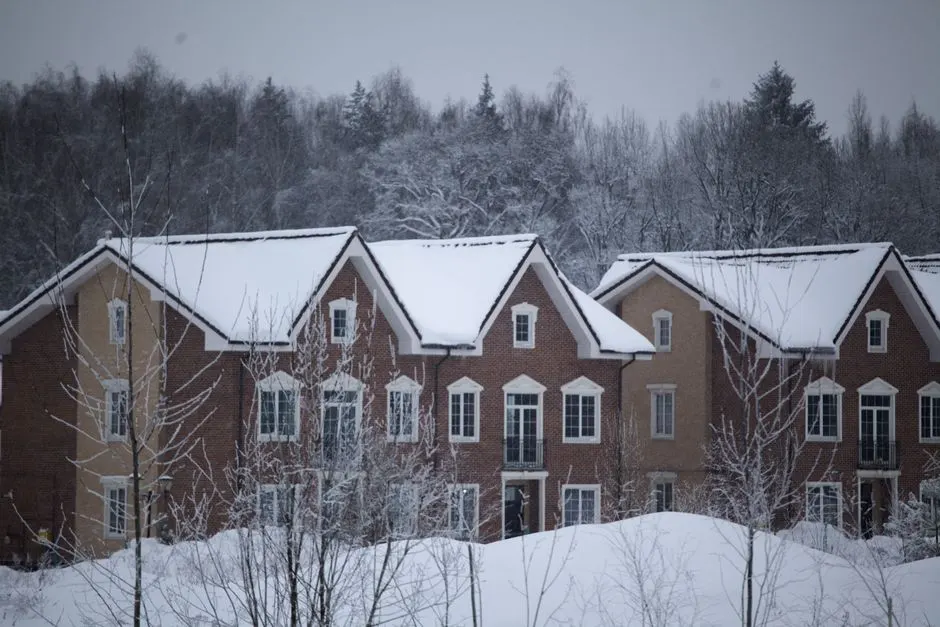
Delaware winter storms cause roof leaks and water damage when snow accumulates on your roof, melts at the warmer sections, and refreezes at the cold edges - forming ice dams that force water under your shingles and into your attic, ceilings, and walls. Wind-driven rain and freeze-thaw cycles make it worse by opening gaps in flashing and shingles that were watertight in October.
We see this pattern every January across New Castle County and Kent County. The damage rarely starts with a dramatic burst - it starts with a slow drip you notice three days after the storm. This article walks through exactly how each mechanism works, what it costs to fix in 2026, and when you should stop mopping and call for professional Water Removal in Delaware.
The short answer: how Delaware winter storms cause roof leaks
Delaware winter storm roof leaks happen because three things converge at once: snow sits on your roof for days, indoor heat escapes through the attic and melts the underside of that snow, and nighttime temperatures drop below freezing again. That melt-refreeze cycle is the engine. The water has to go somewhere, and gravity sends it down - often into your home.
Delaware sits in a climate band where we get real snow accumulation but also frequent daytime thaws. That combination is worse for roofs than a consistently cold state like Maine, where snow stays frozen and drains predictably. Here, we get the freeze-thaw churn that pries apart roofing materials.
A typical winter storm in Delaware drops 4 to 10 inches of snow, followed by rain or sleet within 24 to 48 hours. That rain lands on snow, melts it fast, and overwhelms gutters that are already packed with ice. Water backs up under the shingle edges. You get a ceiling stain by morning.
Ice dams: the number-one cause of winter roof leaks in Delaware
An ice dam is a ridge of ice that forms at the lower edge of your roof and blocks melting snow from draining off. Water pools behind it, seeps under shingles, and travels down into your attic and living space. Ice dams are the single most common cause of winter roof leaks in Delaware, and they form on almost every roof that has inadequate attic insulation or poor ventilation.
Here is the mechanism in plain terms. Heat from your living space rises into the attic. That heat warms the roof deck. Snow on the upper roof melts, runs down to the eaves, and hits the cold overhang - which stays below freezing because it sits outside the heated envelope. The water refreezes there, building a dam. More meltwater arrives, pools behind the dam, and finds the path of least resistance: under your shingles.
You can spot an ice dam from the ground. Look for a thick ridge of ice along the gutter line, often with icicles hanging beneath it. Inside, you will see brown water stains on the ceiling near exterior walls, or damp insulation in the attic. If you catch it early, you can sometimes stop the leak by removing snow from the roof with a roof rake - never by hacking at the ice with a hammer or chipping tool, which tears shingles.
Long-term, the fix is attic air sealing and added insulation. A well-sealed attic keeps the roof deck cold, which means snow melts from the sun only and drains normally. We have seen homeowners spend $1,800 to $3,500 on insulation and ventilation work and eliminate ice dams entirely.
Freeze-thaw cycles and the damage they do to Delaware roofs
Freeze-thaw cycles damage Delaware roofs by expanding and contracting roofing materials until seals break and fasteners loosen. Water gets in through gaps that did not exist before winter. This is the slow, invisible damage that shows up as a leak in February from a crack that opened in December.
Water expands about 9 percent when it freezes. That force is enough to push apart flashing seams, crack asphalt shingles, and open gaps around vent boots and chimney collars. A single winter in Delaware can cycle above and below 32°F dozens of times. Each cycle works the material a little more.
The vulnerable spots on a typical Delaware home:
- Chimney flashing and the mortar crown
- Plumbing vent boots and their rubber collars
- Valley flashing where two roof planes meet
- Gutter seams and the fascia board behind them
- Skylight curbs and their sealant lines
If your roof is more than 15 years old and you have not had it inspected since last fall, a freeze-thaw leak is a real possibility. We get calls every winter from homeowners in Water Removal in Wilmington whose ceilings started dripping after a cold snap, not during the storm itself.
Wind-driven rain and snow melt: the quiet water damage
Wind-driven rain and snow melt cause water damage in Delaware when rain is pushed sideways into your roof and siding at 30 to 50 mph. Standard shingles and flashing are designed to shed water that runs down. They are not designed to stop water that is driven horizontally. That is why a nor'easter can leak through a roof that has never leaked before.
During a Delaware winter storm, wind pushes rain under shingle tabs, behind siding, and into window and door frames. The water enters the wall cavity, saturates insulation, and starts feeding mold within 24 to 48 hours. By the time you see a stain on the interior wall, the damage has been growing for days.
Snow melt creates a second wave. After the storm passes, the snow on your roof melts over several days. If your gutters are clogged with ice or debris, that meltwater has nowhere to go but into your soffits and fascia. From there it wicks into the attic and down into the wall.
We handle a lot of Roof Leak Water Removal in Delaware calls that start this way - a small ceiling stain after a nor'easter that turns into saturated drywall and wet attic insulation. The earlier you extract the water and dry the structure, the less you replace.
What causes roof leaks in winter in Delaware?
Winter roof leaks in Delaware come from ice dams, freeze-thaw damage, wind-driven rain, clogged gutters, and aging flashing. Most leaks are not caused by a single failure - they are caused by two or three small weaknesses that combine under storm conditions.
Here is what we find most often when we inspect a leaking Delaware roof in January or February:
- Ice dam at the eaves - the most common cause, usually from attic heat loss.
- Failed flashing - chimney, vent, or valley flashing that has cracked or pulled loose.
- Worn shingles - granule loss and hairline cracks that let water wick through.
- Clogged or ice-filled gutters - meltwater backs up under the shingle edge.
- Damaged vent boots - the rubber collar around a plumbing vent cracks after 10 to 15 years.
If you are not sure which one you have, do not guess. A leak that appears at the ceiling can originate 10 feet away on the roof, especially on a low-slope section. Water travels along rafters and decking before it finds a gap.
Common mistakes homeowners make during Delaware winter storms
The biggest mistake is waiting. Homeowners in Delaware often see a small ceiling stain after a winter storm and decide to "keep an eye on it." By the time they call, the drywall is sagging and mold has started in the attic. Water damage compounds - it does not stabilize on its own.
Other mistakes we see every winter:
- Chopping ice off the roof with an axe or hammer. This tears shingles and creates a worse leak than the ice dam.
- Using a heat cable as a permanent fix. Heat cables manage the symptom. They do not fix the attic air leak that causes the ice dam.
- Piling snow against the foundation. When it melts, that water goes straight into your basement. We handle a lot of Basement Water Removal in Delaware calls in February that trace back to snow piled against the house.
- Ignoring the attic. If you have not looked in your attic after a storm, you do not know whether you have a leak. Water stains on rafters and damp insulation are early warnings.
- Running a space heater in a wet room. This can cause mold to spread faster and does not dry the structure. You need professional extraction and drying equipment.
One more: do not assume your insurance will cover everything. Most Delaware homeowners policies cover sudden storm damage but exclude long-term neglect. If you have had a slow leak for months, the claim may be denied. Document everything with photos the day you notice it.
When to call a professional for winter storm water damage
Call a professional when water has been inside your home for more than 24 hours, when the affected area is larger than a few square feet, or when you smell musty odors. Those are the signs that mold is starting and the structure needs commercial drying equipment.
You should also call if:
- Water is actively dripping from a ceiling or light fixture
- Your attic insulation is wet or compressed
- You see bubbling paint or sagging drywall
- Your basement or crawl space has standing water
- You have already tried towels and a shop vac and the moisture keeps returning
We find the source, extract the water, and dry the structure with commercial dehumidifiers and air movers. We also check for hidden moisture behind walls and under floors - the spots a shop vac cannot reach. If you are in an area hit hard by ice damming, we also handle Storm Water Removal in Delaware for larger volumes of water from snow melt and rain.
DE Water Remover Pros serves homeowners across Delaware. We can usually get to you the same day you call during winter storm season.
Frequently Asked Questions
How do Delaware winter storms cause roof leaks?
Delaware winter storms cause roof leaks through ice dams, freeze-thaw cycles, and wind-driven rain. Snow melts from attic heat, refreezes at the eaves, and forces water under shingles. Freeze-thaw cycles open gaps in flashing. Wind pushes rain sideways into walls. Any one of these can cause a leak within 24 to 48 hours of a storm.
What causes roof leaks in winter in Delaware?
The most common causes are ice dams at the eaves, failed flashing around chimneys and vents, worn shingles, and clogged gutters that back meltwater under the shingle edge. In Delaware, the freeze-thaw cycle is especially hard on roofs because temperatures swing above and below 32°F repeatedly through January and February.
How do I prevent winter storm roof leaks in Delaware?
Prevent winter storm roof leaks by sealing attic air leaks, adding insulation to keep the roof deck cold, cleaning gutters before the first freeze, and inspecting flashing every fall. A roof rake can remove snow after a storm, but never chip ice with a hammer. If you have had ice dams before, invest in attic ventilation before next winter.
Does insurance cover winter storm roof leak damage in Delaware?
Most Delaware homeowners insurance covers sudden roof leak damage from winter storms, including water extraction and structural drying. However, damage from long-term neglect or repeated leaks is usually excluded. Document the damage with photos immediately and call your insurer within 24 to 48 hours of discovering the leak.
Who should I call for winter storm water damage in Delaware?
Call a licensed water removal company that handles extraction, structural drying, and mold prevention. DE Water Remover Pros serves all of Delaware and can usually respond the same day. If the leak is active, turn off the water if possible and move valuables away from the affected area before help arrives.
Get help with Water Removal in Delaware
If a winter storm has left you with a leaking roof, wet ceilings, or standing water in your basement, call DE Water Remover Pros. We extract the water, dry the structure, and help you avoid mold - usually the same day you call.
Call (833) 640-1438 now.